

Labib Habachi: The Life and Legacy of an Egyptologist
Labib Habachi: The Life and Legacy of an Egyptologist
EGP570.00
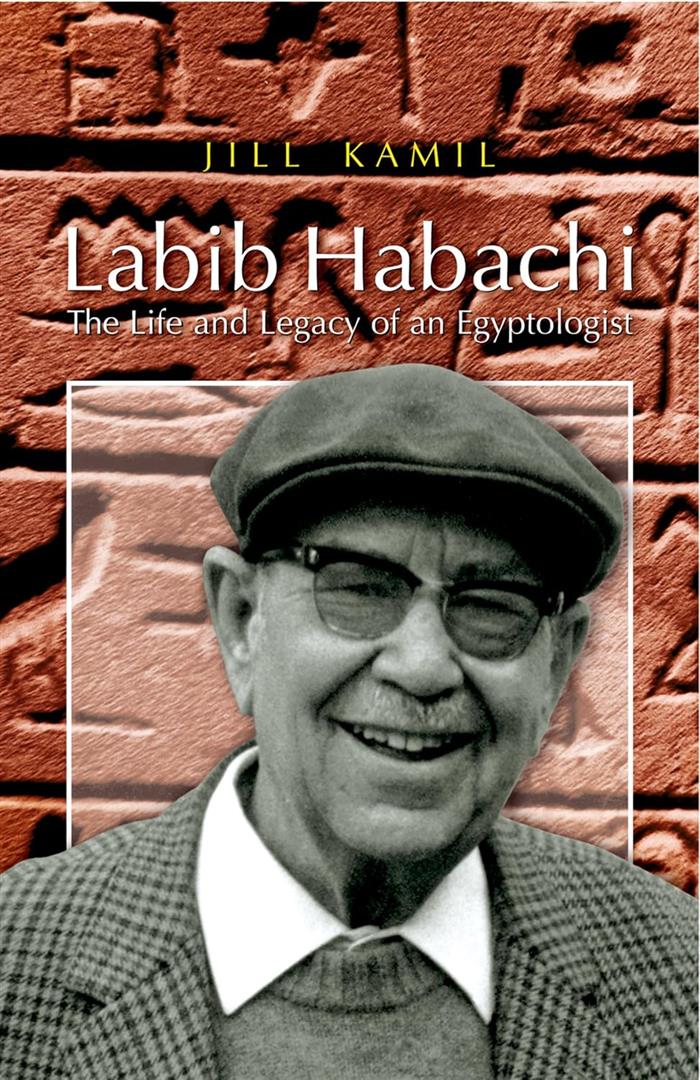
Labib Habachi, Egypt’s most perceptive and productive Egyptologist, was marginalized for most of his career, only belatedly receiving international recognition for his major contributions to the field. In Labib Habachi: The Life and Legacy of an Egyptologist, Jill Kamil presents not only a long-overdue biography of this important scholar, but a survey of Egyptian archaeology in the twentieth century in which Habachi’s work is measured against that of his best-known contemporaries among them Selim Hassan, Ahmed Fakhry, Abdel Moneim Abu Bakr, and Gamal Mokhtar. The account of Habachi’s major discovery, the Sanctuary of Heqaib on Elephantine in 1946, was shelved by Egypt’s Antiquities Department for thirty years. When it was finally released for publication, it became the subject of a heated controversy between Habachi and a western scholar that was never resolved. To construct her picture of Labib Habachi, Jill Kamil draws on a wide range of sources, including a long personal acquaintance with the subject. Tracing the arc of Habachi’s career, Kamil sets his life’s work in its full context, providing a valuable perspective on the development of Egyptian Egyptology and the sometimes fraught relationship between Egypt’s scholars and the western archaeological establishment.
3 in stock
Labour Habachi: The Life and Legacy of an Egyptologist
Labour Habachi: The Life and Legacy of an Egyptologist Book Description
Readers will find Labour Habachi: The Life and Legacy of an Egyptologist a captivating biography that brings Egypt’s most perceptive archaeologist to life. Jill Kamil writes with clarity, offering a smooth reading experience that balances personal anecdotes with scholarly insight. Consequently, the book appeals to both casual history fans and serious students of archaeology.
The story follows Labib Habachi’s rise from a modest background to becoming a leading figure in twentieth‑century Egyptian archaeology. Meanwhile, his work is compared with contemporaries such as Selim Hassan, Ahmed Fakhry, Abdel Moneim Abu Bakr, and Gamal Mokhtar. Furthermore, Kamil explores how political and institutional hurdles shaped his career, revealing why his contributions were only recognized internationally after many years of marginalization.
Inside the narrative, the discovery of the Sanctuary of Heqaib on Elephantine in 1946 receives special attention. This find was hidden by Egypt’s Antiquities Department for three decades, and its eventual publication sparked a heated, unresolved dispute with a Western scholar. Additionally, Kamil draws on personal interviews, archival material, and her long‑standing friendship with Habachi to craft an intimate portrait.
Key Features of Labib Habachi: The Life and Legacy of an Egyptologist
Readers can enjoy a well‑structured timeline that places Habachi’s achievements within the broader development of Egyptology. Moreover, each chapter includes clear sidebars that highlight major excavations, methodological advances, and the cultural context of the era. The book also provides a concise glossary of archaeological terms, making the subject accessible to non‑specialists.
Fans of historical biography will appreciate the vivid descriptions of fieldwork on sites like Elephantine and Thebes. Throughout, Kamil uses concise language and active verbs, ensuring the text remains engaging and easy to follow. Additionally, the biography examines the complex relationship between Egyptian scholars and the Western archaeological establishment, offering readers a nuanced view of academic politics.
Why Read This Book?
Many readers seek a narrative that combines personal drama with scholarly depth. This book delivers both by revealing Habachi’s perseverance amid political obstacles and his lasting impact on Egyptian heritage preservation. Therefore, it serves as an inspiring example of dedication to cultural heritage.
Furthermore, the biography acts as a gateway to understanding Egypt’s modern archaeological landscape. Readers will learn how one man’s discoveries reshaped interpretations of ancient Egyptian society. Consequently, the book adds value to any collection focused on history, archaeology, or Middle Eastern studies.
About This Book
More detail about this book and its author can be found on Goodreads. Also, discover the best English books online in our store through this link.
Only logged in customers who have purchased this product may leave a review.
Product Related

Out of stock

Out of stock
EGP755.00

Out of stock
EGP800.00
EGP2,250.00
Reviews
There are no reviews yet.