

Maghras

Maghras
EGP2,605.00
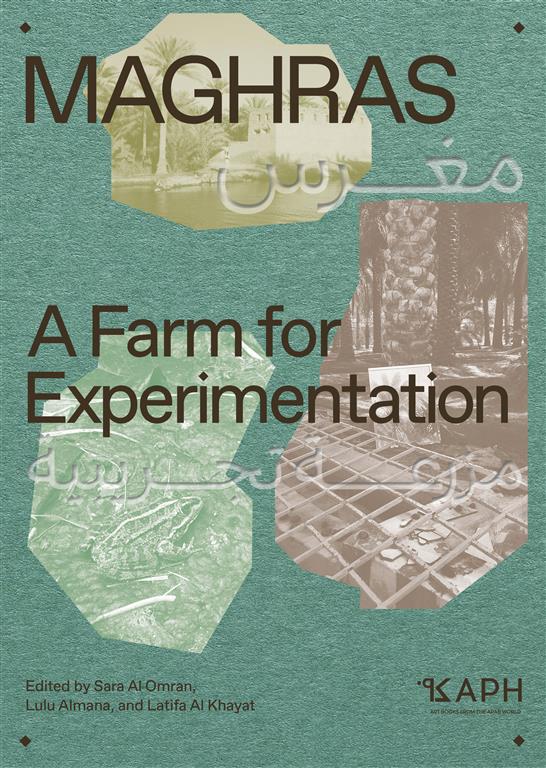
Maghras: A Farm for Experimentation is an in-depth exploration of the Al Ahsa oasis in Saudi Arabia, a UNESCO World Heritage site. The book functions as both a research document and a visual essay, documenting the results of architectural and agricultural experimentation in arid climates. It brings together experts in landscape architecture, urban planning, and environmental science to discuss how traditional farming techniques can be adapted to modern sustainability needs. Through a mix of photography, technical drawings, and essays, the book examines the “Maghras” (planting) process as a foundational element of regional identity and a potential blueprint for future ecological resilience in the Middle East.
3 in stock
Maghras
Maghras Book Description
Maghras invites readers to explore a bold farming experiment in the historic Al Ahsa oasis, a UNESCO World Heritage site in Saudi Arabia. The book blends vivid photography, precise technical drawings, and insightful essays to show how traditional planting methods can inspire modern sustainability. Meanwhile, the narrative emphasizes “Maghras,” the planting process, as a core element of regional identity.
Inside Maghras, experts in landscape architecture, urban planning, and environmental science explain how ancient irrigation techniques are adapted for today’s arid climate. Consequently, the book works as both a research document and a visual essay, bridging academic rigor with artistic expression. Additionally, each chapter mixes field observations with practical recommendations, making complex ideas easy to understand.
The story unfolds through case studies of experimental farms across the oasis. Fans of ecological design will appreciate step‑by‑step accounts of soil testing, crop rotation, and water management. Furthermore, the authors show how these experiments can become a blueprint for future resilience in the Middle East. Many readers find the balance of data and imagery compelling because it encourages active learning.
Throughout the pages, the authors use clear language and concise explanations. This approach helps a broad audience grasp the significance of sustainable agriculture in desert environments. Moreover, the book highlights the cultural heritage tied to planting practices, showing how they shape community identity. Therefore, Maghras not only educates but also inspires readers to consider new possibilities for environmental stewardship.
Key Features of Maghras
Maghras includes over 150 full‑color photographs that capture the beauty of Al Ahsa’s palm groves and experimental plots. Each image is paired with technical drawings that illustrate irrigation layouts and planting patterns. Additionally, concise essays by leading scholars offer diverse perspectives on sustainability.
The layout combines visual storytelling with research‑based commentary. Readers can easily navigate chapters thanks to well‑structured headings and summary boxes. Moreover, the book provides practical guidelines that can be applied to other arid regions, making it a valuable reference for professionals and students alike.
Why Read This Book?
Readers will enjoy a compelling blend of science, art, and cultural history. The book reveals how ancient knowledge can solve modern environmental problems. Because it is written in accessible English, both experts and curious laypeople can benefit from its insights. Furthermore, Maghras encourages readers to think critically about food security and climate adaptation.
Fans of sustainable design will find actionable ideas they can implement in their own projects. Meanwhile, those interested in Middle Eastern heritage will gain a deeper appreciation for the oasis’s role in shaping regional identity. Therefore, purchasing Maghras offers both educational value and an inspiring reading experience.
About This Book
More detail about this book and its author can be found on Goodreads. Also, discover the best English books online in our store through this link. Maghras is available now at Kalimat Bookstore Online, ready to enrich your library with a fresh perspective on sustainable farming.
| Author |
|---|
Only logged in customers who have purchased this product may leave a review.
Product Related

Out of stock

Out of stock
EGP50.00
EGP380.00
Reviews
There are no reviews yet.