

Mamluk Askari 1250–1517
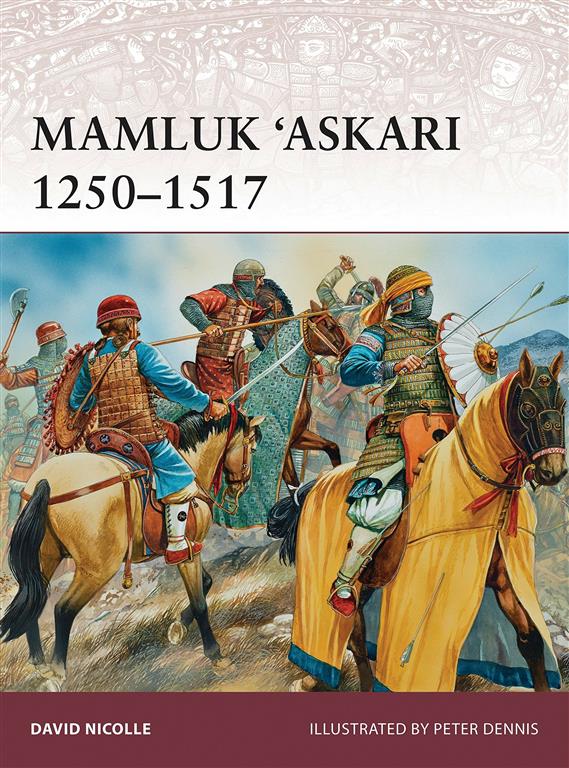


Mamluk Askari 1250–1517
Mamluk Askari 1250–1517 Book Description
Readers will find Mamluk Askari 1250–1517 to be a vivid journey through a pivotal era of Middle Eastern history. This English-language work brings the rise and fall of the Mamluk army to life with clear storytelling and insightful analysis. The narrative balances scholarly detail with engaging prose, making it ideal for both history lovers and casual readers. Meanwhile, the book offers fresh perspectives that challenge common myths about this fascinating period.
Fans of historical nonfiction appreciate how the author weaves together political intrigue, military strategy, and cultural exchange. Inside each chapter, you will discover personal accounts that illustrate the human side of battles and diplomacy. Additionally, vivid descriptions of cities, markets, and courts help you visualize daily life under Mamluk rule. The book’s structure guides you chronologically from the early 13th century to the Ottoman conquest in 1517, ensuring a smooth reading experience.
Throughout the text, the author emphasizes the lasting impact of Mamluk governance on art, architecture, and trade. Moreover, the work highlights how the Mamluk soldiers adapted to changing technologies and geopolitical pressures. Readers can explore the complex relationships between the Mamluks, Crusaders, and Mongols, gaining a deeper understanding of regional dynamics. Therefore, the book serves as both a comprehensive history lesson and an enjoyable story.
Key Features of Mamluk Askari 1250–1517
One notable feature is the inclusion of rare primary sources translated into clear English. These excerpts allow readers to hear the voices of commanders, merchants, and scholars from the era. Furthermore, each chapter ends with concise summaries that reinforce key points and aid retention. The book also contains illustrative maps and paintings that enrich the narrative and provide visual context.
Another strength lies in its thematic focus on leadership and resilience. The author explores how Mamluk leaders rose from slave soldiers to powerful rulers, demonstrating the unique social mobility of the time. Additionally, the text examines the economic networks that sustained the empire, showing how trade routes linked Africa, Asia, and Europe. This thematic depth adds layers of meaning beyond the chronological events.
Finally, the writing style remains accessible without sacrificing scholarly rigor. Short paragraphs and clear headings break up the content, making it easy to navigate. Readers will also enjoy the occasional anecdote that humanizes historical figures, creating an emotional connection to the past.
Why Read This Book?
Many readers choose this title because it offers a balanced blend of factual accuracy and compelling storytelling. The book helps you understand how the Mamluk army shaped the political landscape of the medieval Near East. Moreover, it reveals the cultural achievements that flourished under their patronage, such as stunning architectural marvels and vibrant literary works.
Because the author uses an active voice and frequent transition words, the narrative flows smoothly from one topic to the next. Additionally, the book’s concise length makes it suitable for busy readers who still want a thorough overview. Fans of epic histories will appreciate the strategic insights, while newcomers will enjoy the approachable explanations.
Readers can also benefit from the curated list of further reading and online resources provided at the end of the book. This encourages continued exploration of related subjects, enhancing the overall educational value.
About This Book
More detail about this book and its author can be found on Goodreads. Also, discover the best English books online in our store through this link. Whether you are a seasoned historian or a curious reader, Mamluk Askari 1250–1517 promises an enriching and enjoyable experience.
| Author |
|---|
Only logged in customers who have purchased this product may leave a review.
Product Related

EGP2,280.00

Out of stock

Out of stock
EGP110.00

EGP200.00
Reviews
There are no reviews yet.