

Art of the Middle East
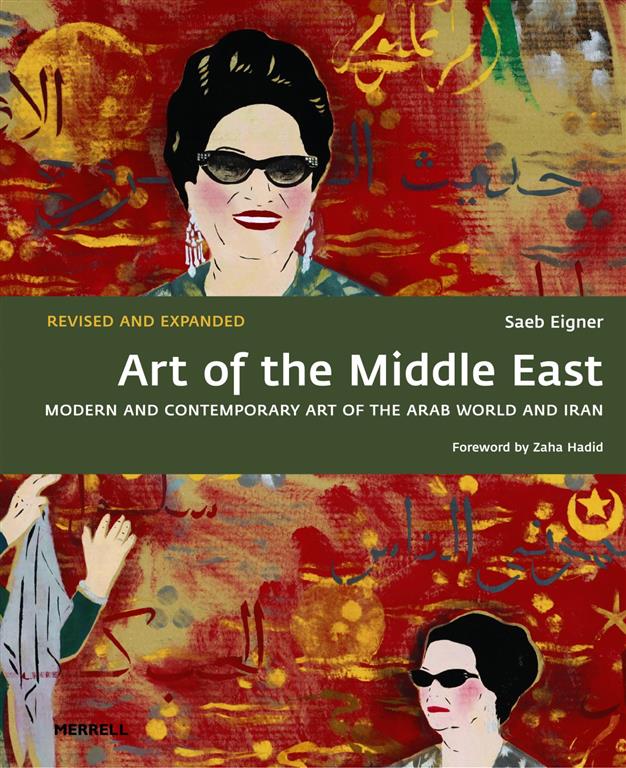


Art of the Middle East
Art of the Middle East Book Description
Readers will discover a vivid journey through centuries of culture in Art of the Middle East. This English‑language volume offers a fresh look at the region’s artistic legacy, blending storytelling with insightful analysis. Fans of travel, history, and visual arts will enjoy the accessible prose and rich illustrations that bring ancient mosaics, bustling souks, and modern galleries to life. Meanwhile, the book’s clear structure helps readers explore each era without feeling overwhelmed, making it perfect for both casual browsers and dedicated scholars.
Inside the pages, the author highlights landmark works from Persia, Ottoman Turkey, and the Levant. Additionally, each chapter connects artwork to the social and political currents of its time, showing how creativity responded to change. Furthermore, vivid photographs accompany concise captions, allowing readers to study details that textbooks often omit. Because the narrative balances depth with readability, the guide remains engaging from start to finish.
The story unfolds chronologically, beginning with pre‑Islamic motifs that set the stage for later developments. Readers can then trace the rise of calligraphy, the flourishing of miniature painting, and the bold innovations of contemporary artists. Moreover, the book includes short sidebars that explain technical terms, helping newcomers grasp complex concepts quickly. As a result, the reading experience feels both educational and enjoyable.
Key Features of Art of the Middle East
One standout feature is the extensive use of high‑resolution images that showcase textures, colors, and patterns often lost in digital copies. The author selected each visual to complement the text, ensuring that readers can compare styles across centuries. Additionally, the book provides a glossary of artistic terms, which supports learners of all levels. Meanwhile, a timeline at the back offers a quick reference to major historical events, linking them to artistic movements.
Another benefit is the inclusion of personal anecdotes from the author’s travels to historic sites. These stories add a human touch, letting readers feel as if they are walking beside the writer through bazaars and museums. Furthermore, each chapter ends with discussion questions that encourage deeper reflection or classroom use. Because of these interactive elements, the book serves as both a personal guide and an educational resource.
Why Read This Book?
Many readers choose this title to gain a well‑rounded understanding of Middle Eastern art without needing prior expertise. The approachable language and clear headings make complex topics easy to digest. Moreover, the book highlights how art reflects everyday life, religious belief, and political power, offering insights that extend beyond visual appreciation. Consequently, readers can apply this knowledge to broader cultural studies or simply enjoy a richer travel experience.
Fans of visual storytelling will appreciate the seamless blend of narrative and image. The author’s enthusiasm shines through each paragraph, encouraging readers to explore museums, galleries, and historic neighborhoods in person. Additionally, the book’s compact size makes it a convenient companion for trips or study sessions. Therefore, whether you are planning a journey to the region or seeking to expand your cultural literacy, this volume delivers value and inspiration.
About This Book
Art of the Middle East is available now at Kalimat Bookstore Online. For more detail about the book and its author, check this Goodreads link. Also discover the best English books online in our store through this English Books link. Enjoy a compelling reading experience that invites you to explore a timeless artistic heritage.
| Author |
|---|
Only logged in customers who have purchased this product may leave a review.
Product Related

Out of stock
EGP799.00

Out of stock

Out of stock
Out of stock
EGP880.00
Reviews
There are no reviews yet.