

Modern Art in Egypt: Identity and Independence, 1850–1936
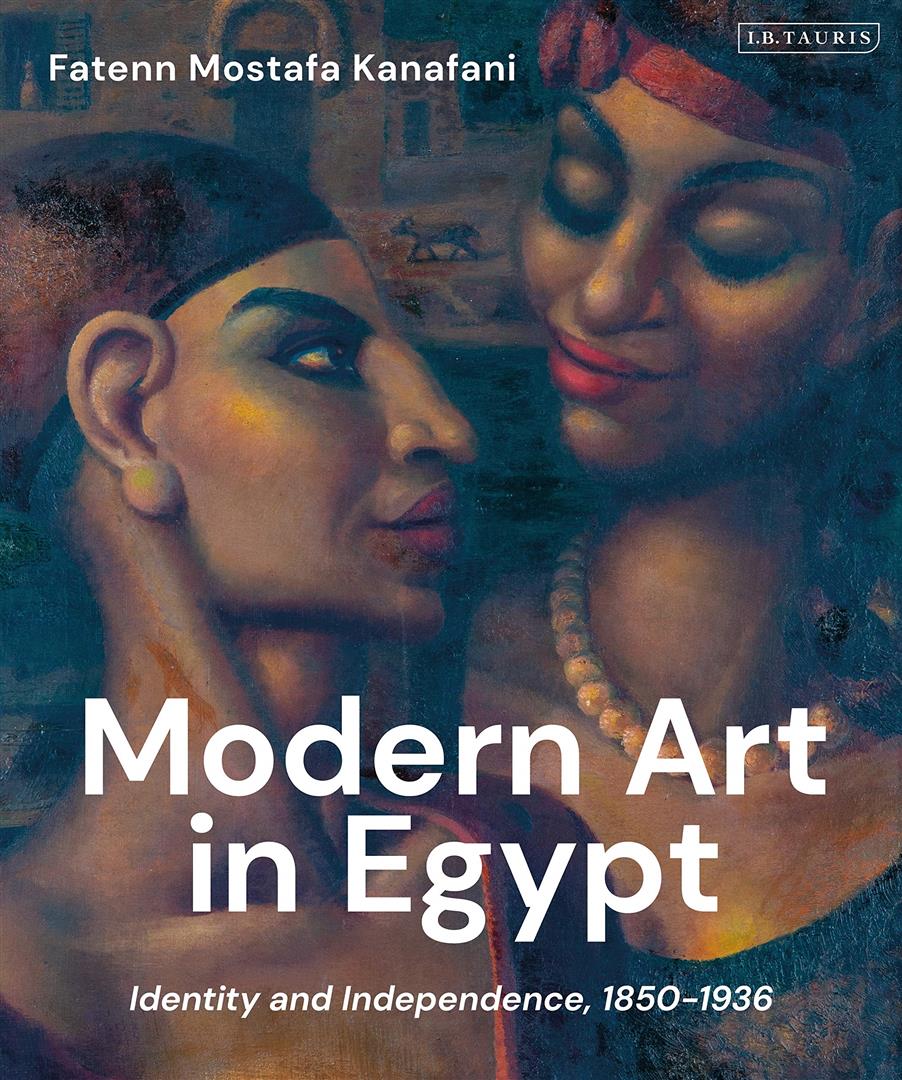

Modern Art in Egypt: Identity and Independence, 1850–1936
EGP5,630.00
14 in stock
Modern Art in Egypt: Identity and Independence, 1850–1936
Modern Art in Egypt: Identity and Independence, 1850–1936 Book Description
Readers will find Modern Art in Egypt: Identity and Independence, 1850–1936 a captivating journey through a pivotal era of Egyptian creativity. This English volume, available at Kalimat Bookstore Online, blends vivid storytelling with scholarly insight. It explores how artists expressed national identity while navigating the push for independence. The book invites you to experience the vibrant cultural shifts that shaped modern Egypt.
Fans of art history will appreciate the clear, engaging narrative that balances scholarly depth with readability. Throughout the chapters, the author highlights key figures, exhibitions, and political events that influenced Egyptian art. Meanwhile, vivid images illustrate the evolution of styles from Romanticism to early modernism. Additionally, the text reveals how Western influences merged with local traditions, creating a unique visual language.
Moreover, the book examines the role of institutions, such as the School of Fine Arts, in fostering artistic independence. Readers can see how curricula changed to reflect new national ambitions. The story also follows the lives of pioneering women artists who broke social barriers. Consequently, the work showcases both collective movements and personal triumphs.
Key Features of Modern Art in Egypt: Identity and Independence, 1850–1936
This book offers over 150 high‑quality illustrations that bring the era to life. Each image is carefully captioned to help you understand its historical context. Furthermore, concise biographical sketches introduce the most influential artists, making it easy to follow their contributions. The timeline at the back provides a quick reference for major events between 1850 and 1936.
Readers will also enjoy the author’s clear chapter structure, which guides you from early artistic experiments to the emergence of a national style. The language remains accessible, avoiding dense academic jargon. Consequently, both students and casual readers can benefit from the insights presented.
In addition, the book includes a bibliography of primary sources and further reading suggestions. This resource helps you deepen your study of Egyptian modernism. Because the references are up‑to‑date, you can trust the information is reliable and current.
Why Read This Book?
Many readers seek to understand how art reflects societal change. This volume shows exactly how Egyptian artists used visual language to voice aspirations for freedom. The narrative connects artistic trends with political movements, helping you see the broader picture. Therefore, the book serves as a bridge between cultural history and visual analysis.
Additionally, the book’s engaging tone makes complex ideas easy to grasp. It invites you to explore themes of identity, colonial influence, and creative resistance. Meanwhile, the author’s lively storytelling keeps you interested from start to finish. As a result, you will finish the book feeling both informed and inspired.
Finally, owning this book adds value to any personal library or classroom collection. It provides a comprehensive, yet readable, overview of a crucial period in Middle Eastern art. Moreover, it encourages further exploration of global modernist movements.
About This Book
More detail about Modern Art in Egypt: Identity and Independence, 1850–1936 and its author can be found on Goodreads. Also, discover the best English books online in our store through this link. Purchase your copy today and start exploring the rich artistic heritage of modern Egypt.
| Author |
|---|
Only logged in customers who have purchased this product may leave a review.
Product Related

Out of stock
EGP520.00

EGP199.00
Out of stock
EGP200.00
Reviews
There are no reviews yet.