

Palestine as Metaphor

Palestine as Metaphor
EGP1,170.00
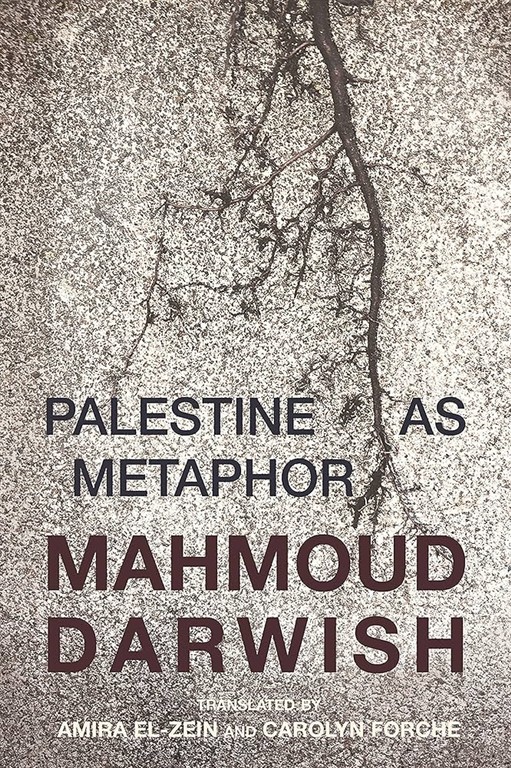
“Palestine as Metaphor consists of a series of interviews with Mahmoud Darwish, which have never appeared in English before. The interviews are a wealth of information on the poet’s personal life, his relationships, his numerous works, and his tragedy. They illuminate Darwish’s conception of poetry as a supreme art that transcends time and place.
Several writers and journalists conducted the interviews, including a Lebanese poet, a Syrian literary critic, three Palestinian writers, and an Israeli journalist. Each encounter took place in a different city from Nicosia to London, Paris, and Amman.
These vivid dialogues unravel the threads of a rich life haunted by the loss of Palestine and illuminate the genius and the distress of a major world poet.”
11 in stock
Palestine as Metaphor
Palestine as Metaphor Book Description
Palestine as Metaphor is an English collection of never‑before‑translated interviews with the celebrated poet Mahmoud Darwish. Readers will travel through intimate conversations that reveal the poet’s personal life, his relationships, and the tragedy that shaped his work. The book offers a fresh look at Darwish’s belief that poetry is a supreme art that rises above time and place. Meanwhile, each interview was conducted by a different writer or journalist, adding diverse perspectives to the dialogue.
The conversations took place in cities ranging from Nicosia and London to Paris and Amman. Inside these vivid dialogues, the loss of Palestine emerges as a powerful metaphor that threads through Darwish’s verses. Furthermore, the interviews expose the poet’s creative process and his constant search for identity. Additionally, the range of interviewers—a Lebanese poet, a Syrian literary critic, three Palestinian writers, and an Israeli journalist—creates a rich tapestry of voices.
Fans of literary biography will appreciate the depth and detail offered in every chapter. Moreover, the book’s structure allows readers to explore distinct moments in Darwish’s life while connecting them to his broader artistic vision. Because each interview stands on its own, the collection can be read cover‑to‑cover or enjoyed in short, reflective sessions.
Key Features of Palestine as Metaphor
Readers can discover previously untranslated material that adds new dimensions to Darwish’s legacy. The book includes ten interviews, each set in a unique city that mirrors the poet’s evolving thoughts. Additionally, the multilingual background of the interviewers brings cultural nuance to every exchange. Throughout the pages, vivid anecdotes illuminate the poet’s daily struggles and triumphs.
The format blends narrative biography with literary analysis, helping readers explore both the man and his art. Moreover, the inclusion of rare photographs and personal letters enriches the reading experience. Therefore, the book serves as both a scholarly resource and an engaging story for general audiences.
Why Read This Book?
Many readers seek a deeper connection to Mahmoud Darwish’s poetry; this book provides that link through personal testimony. It helps you understand how the poet transformed personal loss into universal metaphor. Additionally, the varied interview settings showcase how place influences creative expression. Because the text is written in clear, accessible English, it invites both scholars and casual readers to explore Darwish’s world.
The collection also highlights the power of dialogue across cultural and political lines. Meanwhile, it demonstrates how art can rise above conflict and become a shared language. Consequently, Palestine as Metaphor offers a compelling reason to reflect on poetry’s role in society.
About This Book
For more detail about this book and its author, check this Goodreads link. Also, discover the best English books online in our store through this Kalimat Bookstore link. Enjoy the journey into Mahmoud Darwish’s mind and experience a powerful literary portrait that resonates today.
| Author |
|---|
Only logged in customers who have purchased this product may leave a review.
Product Related

Out of stock

EGP550.00
EGP150.00
Reviews
There are no reviews yet.