

Paris as Revolution: Writing the Nineteenth-Century City

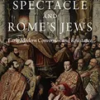

Paris as Revolution: Writing the Nineteenth-Century City
Paris as Revolution: Writing the Nineteenth-Century City Book Description
Paris as Revolution: Writing the Nineteenth-Century City offers a fresh look at how the French capital shaped, and was shaped by, revolutionary ideas. Priscilla Ferguson blends literary analysis with cultural geography to show how writers used the city as a powerful metaphor. Readers will explore the bustling streets, guidebooks, and novels that captured the spirit of change. The book is available in English at Kalimat Bookstore Online, ready to enrich any lover of history or literature.
In the nineteenth century, Paris pulsed with political energy. Writers such as Hugo, Flaubert, and Zola turned the city into a stage for conflict and hope. Ferguson explains how this volatile atmosphere created a unique literary voice. Meanwhile, the urban landscape itself became a character, reflecting both progress and anxiety. The author moves smoothly between semiotic theory and everyday observations, keeping the narrative lively and accessible.
Readers will discover that guidebooks and travel narratives acted as revolutionary performances. Ferguson reconstructs the works of Mercier, Hugo, and Vallès, showing how they challenged the modernizing metropolis while documenting its growth. Moreover, she highlights how these texts influence our understanding of Paris today. By connecting literature to architecture, politics, and social change, the book reveals a rich tapestry of meaning.
Key Features of Paris as Revolution
This title belongs to UC Press’s Voices Revived program, which reissues scholarly works with modern printing technology. It was first published in 1994 and remains relevant for contemporary readers. The book includes vivid examples from novels, guidebooks, and city maps, offering a multi‑dimensional view of nineteenth‑century Paris. Additionally, Ferguson’s clear prose makes complex ideas easy to follow, allowing both scholars and general readers to benefit.
Fans of cultural history will appreciate the blend of literary critique and urban analysis. The book also provides a roadmap for understanding how revolutions shape cities worldwide. Because the author writes in an engaging style, each chapter feels like a guided tour through Paris’s streets and salons. Readers can apply these insights to other historic moments, making the work a versatile resource.
Why Read This Book?
Many readers seek a book that connects literature to real‑world events. This volume delivers that connection by showing how the revolutionary spirit lived in Paris’s cafés, boulevards, and factories. Furthermore, the narrative explains why the city remains a symbol of change in modern culture. Inside, you will find clear explanations of semiotic and sociological concepts without jargon. Therefore, the book helps you uncover the hidden layers of meaning in classic French texts.
Moreover, the book’s interdisciplinary approach encourages critical thinking. It invites you to compare past and present revolutions, sparking fresh discussions in classrooms or book clubs. Because the text is concise and well‑structured, it fits easily into a busy schedule. Readers can enjoy short, impactful chapters that build a comprehensive picture of Parisian life during a transformative era.
About This Book
Paris as Revolution: Writing the Nineteenth-Century City is a scholarly yet readable exploration of how a city can become a revolutionary idea itself. It blends history, literature, and cultural geography into one compelling story. For more details about the author and reviews, visit the Goodreads page. Explore other top English titles in our store through the books category.
Only logged in customers who have purchased this product may leave a review.
Product Related
EGP170.00

Out of stock

Out of stock
EGP275.00
Reviews
There are no reviews yet.