
Recycling for Death: Coffin Reuse in Ancient Egypt and the T
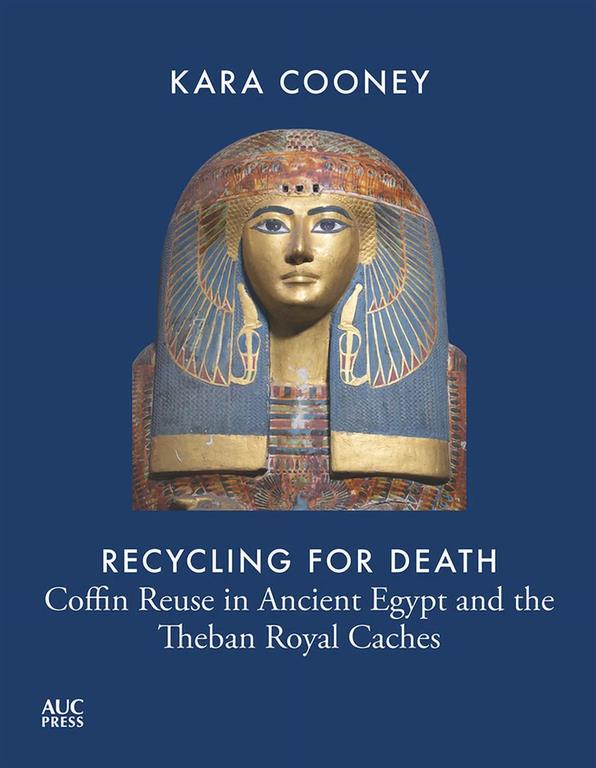


Recycling for Death: Coffin Reuse in Ancient Egypt and the T
EGP2,450.00
“A meticulous study of the social, economic, and religious significance of coffin reuse and development during the Ramesside and early Third Intermediate periods, illustrated with over 900 images
Funerary datasets are the chief source of social history in Egyptology, and the numerous tombs, coffins, Books of the Dead, and mummies of the Twentieth and Twenty-first Dynasties have not been fully utilized as social documents, mostly because the data of this time period is scattered and difficult to synthesize. This culmination of fifteen years of coffin study analyzes coffins and other funerary equipment of elites from the Nineteenth to the Twenty-second Dynasties to provide essential windows into social strategies and adaptations employed during the Bronze Age collapse and subsequent Iron Age reconsolidation.
Many Twentieth to Twenty-second Dynasty coffins show evidence of reuse from other, older coffins, as well as obvious marks where gilding or inlay have been removed. Innovative vignettes painted onto coffin surfaces reflect new religious strategies and coping mechanisms within this time of crisis, while advances in mummification techniques reveal an Egyptian anxiety about long-term burial without coffins as a new style of stuffed and painted mummy was developed for the wealthy. It was in the context of necropolis insecurity, economic crisis, and group burial in reused and unpainted chambers that a complex, polychrome coffin style emerged.
The first part of this book focuses on the theory and evidence of coffin reuse, contextualized within the social collapse that characterized the Twentieth and Twenty-first Dynasties. The second part presents photo essays of annotated visual data for over sixty Egyptian coffins from the so-called Royal Caches, most of them from the Egyptian Museum in Cairo.
Illustrated throughout with high-quality images, the line drawings and color and black-and-white photographs are ideal for careful study, especially evidenced in the digital edition, where pages can be enlarged for close examination.”
27 in stock
Recycling for Death: Coffin Reuse in Ancient Egypt and the T
Recycling for Death: Coffin Reuse in Ancient Egypt and the T Book Description
Recycling for Death: Coffin Reuse in Ancient Egypt and the T invites readers to explore a fascinating era of Egyptian history. The book examines how elite families adapted their burial practices during the Ramesside and early Third Intermediate periods. Over 900 detailed images illustrate each argument, making complex ideas easy to follow. Readers will discover how social, economic, and religious pressures shaped the reuse of coffins and the emergence of new funerary art.
Meanwhile, the author draws on fifteen years of research to connect coffin reuse with the wider Bronze Age collapse. The study reveals that many twelfth‑ to twenty‑second dynasty coffins bear traces of earlier workmanship, such as removed gilding or inlay. Moreover, painted vignettes on the surfaces signal shifting religious strategies. This evidence helps readers understand how Egyptians coped with necropolis insecurity and economic crisis.
Key Features of Recycling for Death: Coffin Reuse in Ancient Egypt and the T
First, the book offers a clear two‑part structure. The opening section explains the theory behind coffin reuse and places it within the social upheaval of the Twentieth and Twenty‑first Dynasties. The second part presents annotated photo essays of more than sixty coffins from the Royal Caches, most housed in the Egyptian Museum, Cairo. Additionally, high‑resolution line drawings and color photographs allow readers to zoom in on details without leaving the page.
Second, each visual entry includes concise captions that highlight key observations. Readers can easily compare original motifs with later alterations. Furthermore, the digital edition enhances the study experience by enabling close examination of textures, pigments, and repair marks. This feature makes the book valuable for both scholars and casual enthusiasts.
Why Read This Book?
Fans of ancient history will appreciate the fresh perspective on a period often overlooked in mainstream Egyptology. The author combines rigorous scholarship with an engaging narrative, so readers can both learn and enjoy the material. Because the book links funerary objects to broader social strategies, it helps readers uncover how ancient societies respond to crisis. Also, the abundant visual material turns abstract concepts into tangible examples, increasing retention and curiosity.
Moreover, the work serves as a practical guide for museum visitors who encounter reused coffins in exhibitions. By understanding the signs of alteration, readers can better interpret what they see on display. Therefore, the book adds depth to any personal collection or academic library focused on Egyptology, archaeology, or art history.
About This Book
Recycling for Death: Coffin Reuse in Ancient Egypt and the T offers a rare, well‑illustrated look at elite burial practices during a turbulent era. Its blend of scholarly insight and vivid imagery makes it a compelling read for students, researchers, and history lovers alike. For more details about the author and reader reviews, visit the Goodreads page. Explore additional English titles at our store by following this link.
| Author |
|---|
Only logged in customers who have purchased this product may leave a review.
Product Related

Out of stock

Out of stock
EGP755.00

Out of stock
EGP800.00
EGP2,250.00
Reviews
There are no reviews yet.