

Serpent of the Nile: Women and Dance in the Arab World
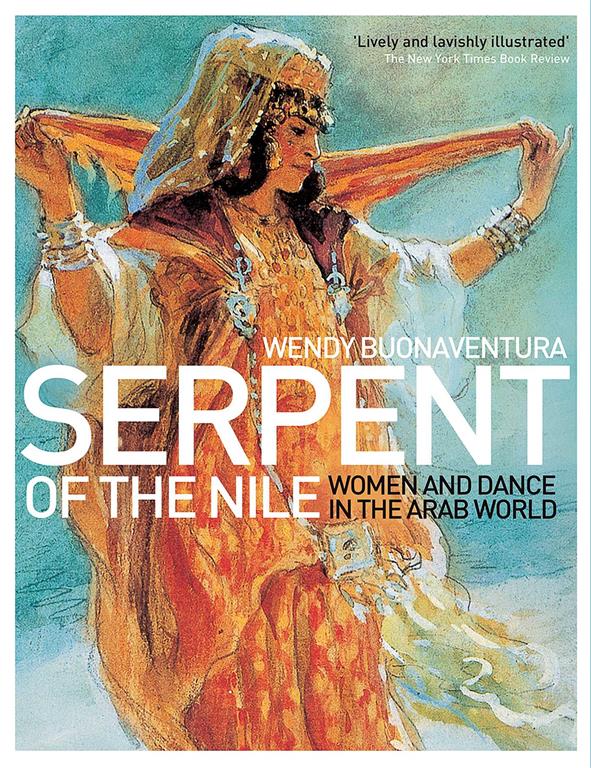


Serpent of the Nile: Women and Dance in the Arab World
EGP2,280.00
This book is a lavishly illustrated celebration of female dancers in the Arab world and their influence on the West. It traces the origins, history, and development of this ancient art, which has survived despite commercialism and religious disapproval. The book explores how Arabic dance was influenced by Western ideas and, in turn, how it exerted a powerful influence on the Western imagination during the era of “Orientalism,” affecting writers and artists like Flaubert and Jean-Leon Gerome
2 in stock
Serpent of the Nile: Women and Dance in the Arab World
Serpent of the Nile: Women and Dance in the Arab World Book Description
Readers will discover Serpent of the Nile: Women and Dance in the Arab World, an English‑language volume now available at Kalimat Bookstore Online. This lavishly illustrated work celebrates the artistry of female dancers across the Arab world and examines how their performances shaped Western imagination. Inside, vivid photographs and historic sketches bring each story to life, offering a compelling reading experience for anyone interested in culture, history, or dance.
Fans of cultural history will explore the origins of Arabic dance, tracing its roots from ancient rituals to modern stages. Meanwhile, the book reveals how commercial pressures and religious objections tested the art form, yet it endured through centuries. Moreover, it shows the dynamic exchange between East and West, highlighting how Western ideas reshaped Arabic dance while the dancers themselves inspired Orientalist writers and painters such as Flaubert and Jean‑Leon Gérôme.
Throughout the narrative, the author combines scholarly research with accessible storytelling. Therefore, readers can easily follow complex timelines without feeling overwhelmed. Additionally, each chapter includes sidebars that explain terminology, costume symbolism, and performance contexts, helping readers grasp subtle nuances of the dance tradition.
Key Features of Serpent of the Nile: Women and Dance in the Arab World
The guide offers over 200 full‑color images, ranging from museum archives to contemporary stage shots. Furthermore, it provides rare primary sources, including travelers’ journals and early 20th‑century photographs. The book also contains a timeline that maps major milestones, making it simple to see how the art evolved over time.
Another notable feature is the comparative analysis of Orientalist art. Readers will learn how Western painters adopted exotic motifs, while dancers borrowed elements from ballet and circus acts. This dual perspective helps illustrate the fluid nature of cultural exchange.
Finally, the text includes a glossary of Arabic dance terms and a bibliography for further study. Because of these resources, students and enthusiasts alike can deepen their knowledge without needing additional materials.
Why Read This Book?
Many readers are drawn to stories of artistic resilience, and this book delivers exactly that. It celebrates women who preserved a vibrant tradition despite social constraints, offering inspiration for anyone facing adversity. Additionally, the narrative is engaging and brisk, encouraging readers to continue from chapter to chapter.
The book also serves as a valuable reference for scholars of Orientalism, gender studies, and performance art. Consequently, it can be cited in academic papers or used as a teaching aid in university courses. Moreover, the beautiful imagery makes it a perfect coffee‑table addition, inviting conversation among guests.
Overall, the reading experience combines visual splendor with insightful analysis. Therefore, purchasing this title adds both aesthetic appeal and intellectual depth to any personal library.
About This Book
More detail about this book and its author can be found on Goodreads. Also, discover the best English books online in our store through this link.
| Author |
|---|
Only logged in customers who have purchased this product may leave a review.
Product Related

EGP135.00

Out of stock
EGP480.00


EGP680.00
Reviews
There are no reviews yet.