

Sufism: The Formative Period
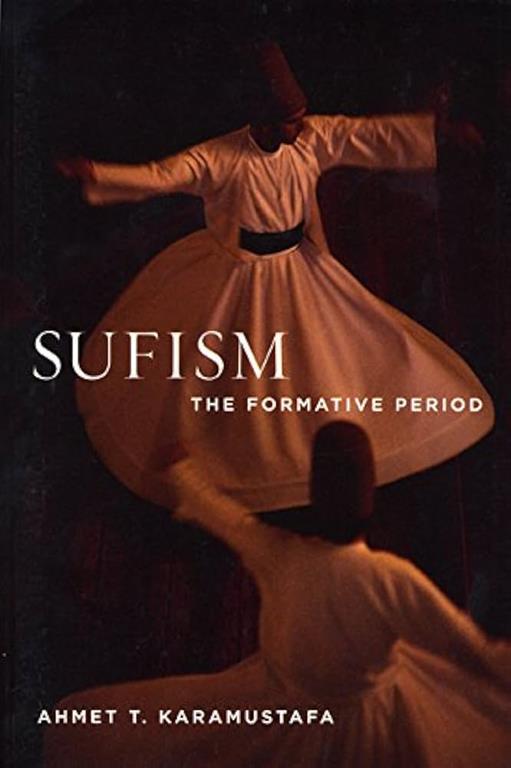

Sufism: The Formative Period
Sufism: The Formative Period Book Description
Readers will discover a clear, engaging look at the early development of Sufi thought in Sufism: The Formative Period. This English‑language volume offers a concise overview of the spiritual, historical, and cultural forces that shaped early Sufism. The author blends scholarly insight with accessible language, making complex ideas easy to follow. Meanwhile, the book includes vivid anecdotes that bring the period to life, inviting readers to experience the mystic roots of Islamic spirituality.
The story begins with the first ascetic movements in the Arabian desert, then moves through key figures such as Hasan al‑Basri and Rabia of Basra. Throughout the chapters, the author highlights how poetry, prayer, and community practice forged a distinctive path. Additionally, each section connects historic events to the lasting themes of love, humility, and divine yearning. Fans of spiritual history will enjoy the balance of narrative flow and thoughtful analysis.
Inside the book, readers can explore the evolution of core concepts like tasawwuf, dhikr, and the concept of the heart’s inner light. Moreover, the text presents original excerpts from early Sufi writings, offering a direct glimpse into the thinkers’ own words. Because the author explains terminology in plain language, beginners quickly gain confidence, while seasoned students find fresh perspectives.
Furthermore, the book’s structure encourages active learning. Each chapter ends with short reflection questions that help readers apply insights to personal practice. The guide also suggests further reading, linking to classic and contemporary works. Therefore, the volume serves both as an introductory textbook and a spring‑board for deeper study.
Key Features of Sufism: The Formative Period
Many readers appreciate the concise yet comprehensive coverage of early Sufi development. The author organizes material chronologically, which helps track the growth of ideas over time. Additionally, the inclusion of maps and timelines visualizes the spread of Sufi communities across the Middle East.
Another strength lies in the use of authentic primary sources. The book reproduces select verses and letters, allowing readers to hear the original voices. This approach adds credibility and enriches the reading experience. Moreover, the author provides clear footnotes and a glossary for unfamiliar terms, ensuring smooth navigation.
Finally, the edition features a durable paperback format and high‑quality printing, making it suitable for both personal study and classroom use. The clear layout, generous margins, and readable font enhance comfort during long reading sessions.
Why Read This Book?
Readers will benefit from a balanced blend of history and spirituality. This book helps uncover the roots of a tradition that influences millions today. It also offers practical insights that can inspire personal growth and deeper contemplation.
The author writes with warmth and authority, inviting readers into the world of early mystics. Consequently, the book feels less like a textbook and more like a guided tour through a rich, living tradition. Fans of religious studies, comparative theology, or simply curious minds will find value in its clear explanations and engaging storytelling.
About This Book
For more details about Sufism: The Formative Period and its author, visit the Goodreads page. You can also explore the best English books available at Kalimat Bookstore Online through this link. Enjoy a compelling reading experience and deepen your understanding of early Sufi thought.
| Author |
|---|
Only logged in customers who have purchased this product may leave a review.
Product Related

Out of stock
EGP585.00

Out of stock
EGP455.00

Out of stock
EGP605.00

EGP680.00
Reviews
There are no reviews yet.