

Talking to Strangers: What We Should Know about the People We Don t Know
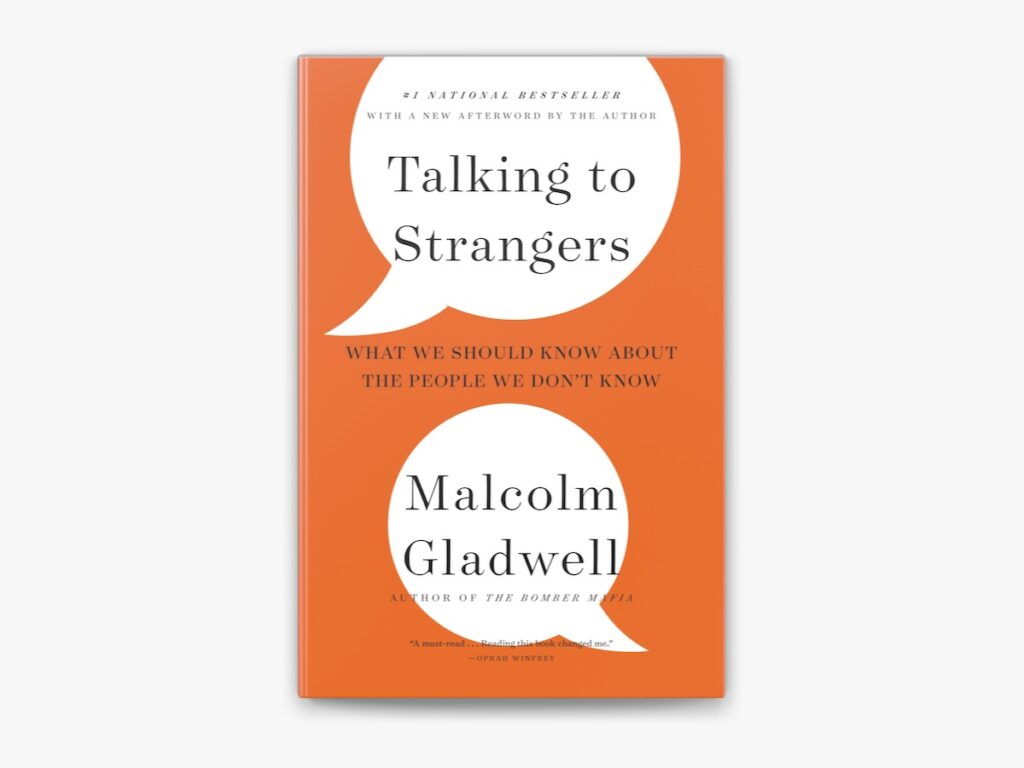


Talking to Strangers: What We Should Know about the People We Don t Know
EGP600.00
Book Summary
| ‘I love this book . . . reading it will actually change not just how you see strangers, but how you look at yourself, the news – the world. Reading this book changed me’ Oprah Winfrey The highly anticipated new book from Malcolm Gladwell, international bestselling author of The Tipping Point, Blink, Outliers, What the Dog Saw and David and Goliath The routine traffic stop that ends in tragedy. The spy who spends years undetected at the highest levels of the Pentagon. The false conviction of Amanda Knox. Why do we so often get other people wrong? Why is it so hard to detect a lie, read a face or judge a stranger’s motives? Through a series of encounters and misunderstandings – from history, psychology and infamous legal cases – Malcolm Gladwell takes us on an intellectual adventure into the darker side of human nature, where strangers are never simple and misreading them can have disastrous consequences. No one challenges our shared assumptions like Malcolm Gladwell. Here he uses stories of deceit and fatal errors to cast doubt on our strategies for dealing with the unknown, inviting us to rethink our thinking in these troubled times. |
Language: English
Paperback:
ISBN-10: 9780316462914
ISBN-13: 9780316462914
Genre: Business
Condition: New
Talking to Strangers: What We Should Know about the People We Don’t Know
Talking to Strangers: What We Should Know about the People We Don’t Know Book Description
Readers will discover why we often misread strangers and how hidden forces shape our judgments. Malcolm Gladwell, the bestselling author of Outliers and Blink, guides us through real‑life stories—a fatal traffic stop, a covert Pentagon spy, and the wrongful conviction of Amanda Knox. The story shows how easy it is to mistake a lie for truth, a smile for deceit, or a calm face for innocence. Meanwhile, Gladwell asks us to rethink how we evaluate unknown people and why those errors can have life‑changing consequences.
Fans of investigative nonfiction will enjoy Gladwell’s clear, narrative style. Throughout the book he blends history, psychology, and law to illustrate that strangers are rarely simple. Additionally, each chapter offers vivid examples that help readers see gaps in their own perception. Moreover, the author uses these cases to suggest new ways of thinking, encouraging us to question assumptions before they lead to tragedy.
Many readers have praised the book for its eye‑opening impact. Oprah Winfrey called it “a book that will actually change not just how you see strangers, but how you look at yourself, the news, the world.” Because of this endorsement, the book has become a conversation starter among business leaders, educators, and anyone curious about human behavior.
Key Features of Talking to Strangers
Inside the pages, Gladwell presents five compelling features that set this work apart. First, the book is built on meticulously researched case studies that feel like gripping true‑crime stories. Second, each story links to a clear lesson about trust, deception, and social intuition. Third, Gladwell’s writing remains accessible; he avoids jargon and explains complex ideas in plain language. Fourth, the book offers practical advice for everyday interactions, helping readers spot hidden cues in a conversation. Finally, it challenges readers to adopt a more compassionate view of those they don’t know, therefore reducing costly misunderstandings.
Additionally, the structure makes it easy to read in short bursts. Each chapter stands alone, yet together they form a cohesive argument about human perception. Because of this format, readers can return to favorite sections and continue learning over time. Moreover, the author’s storytelling talent keeps the narrative lively, so the content never feels like a textbook.
Why Read This Book?
Readers will benefit from a fresh perspective on everyday encounters. The guide shows how small missteps—like misreading a facial expression—can lead to large consequences in business, law, and personal life. Therefore, anyone who wants to improve communication skills will find value in Gladwell’s insights. Furthermore, the book encourages critical thinking, helping readers question media narratives and snap judgments.
Because the book tackles universal themes, it appeals to a broad audience. Business professionals can apply its lessons to negotiations and team dynamics. Educators can use the examples to spark classroom discussions about bias and evidence. Even casual readers will appreciate the compelling storytelling that reveals hidden truths about human nature.
About This Book
Language: English
Paperback: 304 pages
ISBN‑10: 9780316462914
ISBN‑13: 9780316462914
Genre: Business
Condition: New
More detail about this book and author can be found on this Goodreads page. Also discover the best English books online in our store through this link.
| Author |
|---|
Only logged in customers who have purchased this product may leave a review.
Product Related

Out of stock
EGP585.00

Out of stock
EGP455.00

Out of stock
EGP605.00

EGP680.00
Reviews
There are no reviews yet.