

Talking to Strangers: What We Should Know about the People We Don t Know
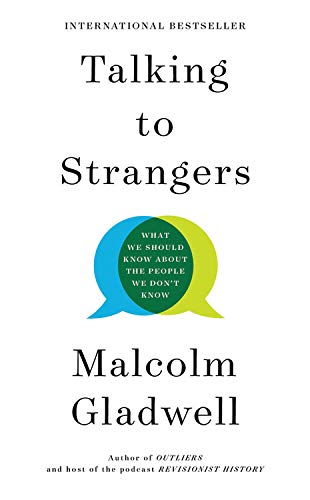


Talking to Strangers: What We Should Know about the People We Don t Know
Book Summary
| ‘I love this book . . . reading it will actually change not just how you see strangers, but how you look at yourself, the news – the world. Reading this book changed me’ Oprah Winfrey The highly anticipated new book from Malcolm Gladwell, international bestselling author of The Tipping Point, Blink, Outliers, What the Dog Saw and David and Goliath The routine traffic stop that ends in tragedy. The spy who spends years undetected at the highest levels of the Pentagon. The false conviction of Amanda Knox. Why do we so often get other people wrong? Why is it so hard to detect a lie, read a face or judge a stranger’s motives? Through a series of encounters and misunderstandings – from history, psychology and infamous legal cases – Malcolm Gladwell takes us on an intellectual adventure into the darker side of human nature, where strangers are never simple and misreading them can have disastrous consequences. No one challenges our shared assumptions like Malcolm Gladwell. Here he uses stories of deceit and fatal errors to cast doubt on our strategies for dealing with the unknown, inviting us to rethink our thinking in these troubled times. |
Language: English
Paperback:
ISBN-10: 0316462918
ISBN-13: 9780316462914
Genre: Business
Condition: New
Talking to Strangers: What We Should Know about the People We Don’t Know
Talking to Strangers: What We Should Know about the People We Don’t Know Book Description
Readers will discover why we often misjudge strangers and how those mistakes shape our lives. In Talking to Strangers, Malcolm Gladwell blends true‑crime, history and psychology to explore moments when we got it wrong—from a fatal traffic stop to a covert Pentagon spy, from Amanda Knox’s wrongful conviction to everyday encounters on the street. The author invites us to rethink how we read faces, detect lies and judge motives. Oprah Winfrey calls the book “life‑changing,” and the stories deliver exactly that promise.
This book challenges assumptions that feel comfortable. Throughout the narrative, Gladwell shows how simple errors can lead to tragedy, injustice, or missed opportunities. He breaks down each case with vivid detail, making complex ideas easy to follow. Meanwhile, readers learn practical lessons about empathy, observation and critical thinking. The result is an intellectual adventure that feels both entertaining and deeply relevant.
Fans of *Blink* and *Outliers* will enjoy Gladwell’s signature storytelling style. However, even newcomers to his work will find the ideas accessible and compelling. Additionally, the book provides a fresh lens on news headlines, personal interactions, and the hidden forces that drive human behavior. Therefore, it serves as a guide for anyone who wants to navigate a world full of unknown faces.
Key Features of Talking to Strangers: What We Should Know about the People We Don’t Know
Each chapter presents a real‑life case that illustrates a broader principle. For example, the routine traffic stop that ends in tragedy reveals how authority can cloud judgment. Moreover, the story of a spy who operated undetected within the Pentagon highlights the limits of our intuition. Throughout, Gladwell uses clear language and concise examples, making complex psychology feel relatable.
The book also includes thoughtful analysis of why our brains default to error. Readers can explore how cultural biases, social cues and the desire for quick answers shape our perceptions. Furthermore, Gladwell offers strategies to improve our ability to read strangers without becoming paranoid. These actionable insights make the book more than a collection of anecdotes—it becomes a practical manual for better communication.
In addition to compelling narratives, the book features vivid quotations and expert commentary. This blend of storytelling and research keeps the pace lively and the information trustworthy. Meanwhile, the paperback’s high‑quality printing ensures a pleasant reading experience from start to finish.
Why Read This Book?
Many readers seek a deeper understanding of human interaction. This book answers that demand by revealing hidden patterns behind everyday encounters. Because we spend much of our lives navigating unknown people, the lessons here have immediate, real‑world value. Readers will learn to spot deception, interpret facial expressions more accurately, and approach strangers with informed curiosity rather than fear.
Moreover, the book encourages critical thinking about media narratives. By dissecting high‑profile cases, Gladwell shows how headlines can mislead and why fact‑checking matters. Therefore, the book is a useful tool for anyone who follows the news, works in law enforcement, or simply wants to be a more empathetic citizen.
Finally, the narrative’s emotional depth makes it hard to put down. Many readers report that the book changes how they view conversations, relationships and even their own self‑perception. Consequently, it is a gift that keeps on giving long after the final page.
About This Book
Language: English
Paperback: 384 pages
ISBN‑10: 0316462918
ISBN‑13: 9780316462914
Genre: Business & Psychology
Condition: New
More detail about this book and its author can be found on Goodreads. Also discover the best English books online in our store through this link.
| Author |
|---|
Only logged in customers who have purchased this product may leave a review.
Product Related

Out of stock

EGP520.00

EGP199.00

Out of stock
EGP200.00
Reviews
There are no reviews yet.