

The Genealogy of Morals (Dover Thrift Editions)
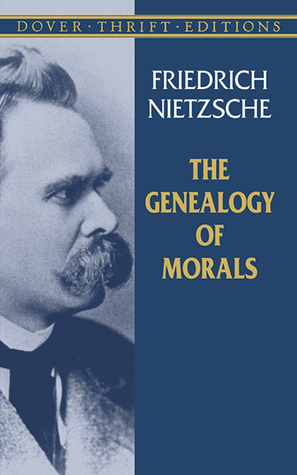


The Genealogy of Morals (Dover Thrift Editions)
EGP600.00
The Genealogy of Morals (Dover Thrift Editions) presents Friedrich Nietzsche’s influential work on morality, values, and the origins of moral ideas. First published in 1887, this classic philosophical text examines how concepts such as good, evil, guilt, punishment, and conscience developed over time.
About The Genealogy of Morals
In The Genealogy of Morals, Nietzsche looks closely at the history of moral values. He asks where these values came from and how they changed. Rather than simply accepting traditional ideas about morality, Nietzsche examines the forces and events that shaped them.
The book is divided into three essays. Each essay explores a different part of Nietzsche’s approach to morality. Together, they create a detailed study of the development of moral concepts.
Language: English
Paperback: 128 pages
Publisher: Dover Publications (2003)
ISBN-10: 0486426912
ISBN-13: 9780486426914
Genre: Philosophy
Shipping Weight: 22 grams
Condition: New
1 in stock
The Genealogy of Morals (Dover Thrift Editions) presents Friedrich Nietzsche’s influential work on morality, values, and the origins of moral ideas. First published in 1887, this classic philosophical text examines how concepts such as good, evil, guilt, punishment, and conscience developed over time.
About The Genealogy of Morals
In The Genealogy of Morals, Nietzsche looks closely at the history of moral values. He asks where these values came from and how they changed. Rather than simply accepting traditional ideas about morality, Nietzsche examines the forces and events that shaped them.
The book is divided into three essays. Each essay explores a different part of Nietzsche’s approach to morality. Together, they create a detailed study of the development of moral concepts.
Morality and Human Values
Nietzsche explores the meaning of words such as “good” and “bad.” He also examines how ideas about good and evil can change between different cultures and periods.
Another major topic is guilt. Nietzsche considers the connection between guilt, debt, punishment, and social rules. He also discusses the development of the human conscience and the way people learn to control their actions.
These ideas make the book an important work for readers interested in philosophy, ethics, history, and social thought.
A Classic Work of Philosophy
The Genealogy of Morals is one of Nietzsche’s best-known philosophical works. It has influenced later discussions about morality, psychology, culture, and society.
Nietzsche’s writing can be challenging at times. However, readers interested in philosophical questions may find the book rewarding. It encourages readers to question familiar ideas and think carefully about the origins of their beliefs.
The book can also be useful for students and readers who want to explore Nietzsche’s philosophy in greater depth. It provides an important introduction to his views on morality and human behavior.
Dover Thrift Edition
This Dover Thrift Editions edition offers readers an accessible way to explore Nietzsche’s classic work. Dover Thrift Editions are known for making classic literature and important works available in affordable editions.
The Genealogy of Morals can be a valuable addition to a personal philosophy collection. It is also suitable for students, teachers, and general readers who want to explore classic philosophical texts.
Why Read The Genealogy of Morals?
This book raises important questions about morality and human values. It encourages readers to examine how moral ideas develop and why societies accept certain values.
If you are interested in Friedrich Nietzsche, philosophy, ethics, or the history of ideas, The Genealogy of Morals (Dover Thrift Editions) is a classic work worth exploring. Its questions about morality remain relevant to readers studying philosophy and the development of modern thought.
Language: English
Paperback: 128 pages
Publisher: Dover Publications (2003)
ISBN-10: 0486426912
ISBN-13: 9780486426914
Genre: Philosophy
Shipping Weight: 22 grams
Condition: New
Product Related

EGP720.00

Out of stock

EGP600.00

EGP275.00