

Transitional Justice in Tunisia: Innovations, Continuities, Challenges
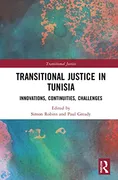


Transitional Justice in Tunisia: Innovations, Continuities, Challenges
EGP16,199.00
Out of stock
Transitional Justice in Tunisia: Innovations, Continuities, Challenges
Transitional Justice in Tunisia: Innovations, Continuities, Challenges Book Description
Transitional Justice in Tunisia: Innovations, Continuities, Challenges offers a fresh look at how Tunisia has dealt with its past. Readers will discover a clear explanation of the country’s justice mechanisms and the lessons they provide for the world. The book combines new field data with a wide understanding of transitional justice, giving a solid assessment of Tunisia’s experience.
This book goes beyond a simple overview. It asks whether Tunisia follows global trends such as liberal state‑building or creates new paths that challenge mainstream ideas. Meanwhile, it shows how the process adapts to local needs and realities. Additionally, the author highlights formal innovations and the vibrant activism of civil society and victims’ groups.
Throughout the chapters, legal scholars, social scientists, activists, and practitioners share their insights. They challenge the legal‑centric view of transitional justice and open a dialogue with more radical, inclusive approaches. Furthermore, the text explains how these ideas help address past abuses and current injustices.
Key Features of Transitional Justice in Tunisia: Innovations, Continuities, Challenges
Readers will enjoy a blend of empirical research and real‑world examples. Each section presents case studies that illustrate how Tunisia’s truth commissions, reparations programs, and trials operate on the ground. Moreover, the book details the role of NGOs and victim networks in shaping policy.
Fans of human‑rights and peace studies will find clear explanations of complex concepts. The author uses straightforward language, making the material accessible to students and policymakers alike. Additionally, comparative analysis shows where Tunisia aligns with or diverges from other transitional societies.
Why Read This Book?
Many readers seek practical guidance for transitional justice projects. This book supplies actionable recommendations based on Tunisian successes and setbacks. It also highlights innovative mechanisms that can inspire reforms elsewhere. Therefore, scholars, practitioners, and anyone interested in Middle Eastern politics will gain valuable perspectives.
Because the book bridges academic theory and on‑the‑ground practice, it serves as a reliable reference for coursework and policy design. It encourages critical thinking about justice, reconciliation, and long‑term stability. Readers can apply these insights to their own contexts and contribute to more effective justice processes.
About This Book
More detail about this book and its author can be found on Goodreads. Also discover the best English books online in our store through this link.
Only logged in customers who have purchased this product may leave a review.
Product Related

EGP6,000.00

Out of stock

Out of stock
EGP630.00

Out of stock
EGP1,040.00
Reviews
There are no reviews yet.