

Urbanism of Roman Siscia: Interpretation of Historical and Modern Maps, Drawings and Plans
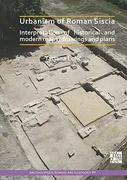


Urbanism of Roman Siscia: Interpretation of Historical and Modern Maps, Drawings and Plans
EGP5,610.00
Urbanism of Roman Siscia: Interpretation of Historical and Modern Maps, Drawings and Plans
Urbanism of Roman Siscia: Interpretation of Historical and Modern Maps, Drawings and Plans Book Description
Readers will discover a vivid portrait of ancient Roman urbanism in this English‑language volume, Urbanism of Roman Siscii: Interpretation of Historical and Modern Maps, Drawings and Plans. The book combines centuries‑old literary references with the latest archaeological data to recreate the layout of Roman Siscia, a key settlement at the meeting point of the Sava, Kupa, and Odra rivers. Because the author draws on both historic maps and modern surveys, the reader enjoys a clear, layered understanding of how the city evolved from its prehistoric roots to a bustling Roman hub.
Meanwhile, the author explains how every excavation since the late 19th century contributed to today’s picture of the city. Data from excavations in the 1950s‑1990s revealed town walls, a defensive ditch, and an orthogonal street grid. Furthermore, public buildings, shrines, water‑supply systems, and cemeteries were identified along the main roads that linked Siscia with other Roman centers. These findings provide a solid foundation for future research and preservation efforts.
Additionally, the book highlights the older settlement of Segestica, which predates Roman occupation and lies on the right bank of the Kupa River. The author weaves this pre‑Roman context into the narrative, showing how earlier communities influenced the later Roman layout. Therefore, readers gain a comprehensive view of continuity and change across several millennia.
Key Features of Urbanism of Roman Siscia: Interpretation of Historical and Modern Maps, Drawings and Plans
Each chapter presents side‑by‑side comparisons of historic cartography and recent digital reconstructions. Readers can explore detailed plans that illustrate street patterns, residential blocks, and public spaces. Moreover, the book includes high‑resolution drawings of archaeological finds, allowing enthusiasts to examine artifacts without leaving their homes.
The volume also offers concise summaries of primary sources, such as ancient literary mentions of Siscia and medieval maps that trace the site’s enduring significance. Because these sources are interpreted in plain language, both scholars and casual readers can follow the discussion easily. Finally, the author provides a bibliography of further reading, guiding those who wish to delve deeper into Roman urban studies.
Why Read This Book?
Fans of ancient history will enjoy the clear, engaging storytelling that brings a forgotten city back to life. The author balances scholarly rigor with readability, making complex archaeological data accessible to a broad audience. Additionally, the book’s visual emphasis helps readers visualize the city’s streets, walls, and public buildings as they once stood.
Many readers appreciate that the book serves as a launchpad for new research. By outlining current knowledge gaps and suggesting areas for further excavation, it invites academics, students, and hobbyists to contribute to the ongoing story of Roman Siscia. Therefore, the book is not only informative but also inspirational.
About This Book
For more details about the author and reader reviews, visit the Goodreads page. Explore additional English titles in our store by following this link.
Be the first to review “Urbanism of Roman Siscia: Interpretation of Historical and Modern Maps, Drawings and Plans”
Product Related

EGP350.00

EGP1,200.00
EGP325.00

EGP1,100.00
Reviews
There are no reviews yet.