

U. S. Go Home: The U. S. Military in France, 1945-1968
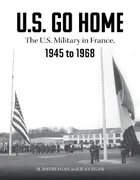


U. S. Go Home: The U. S. Military in France, 1945-1968
U. S. Go Home: The U. S. Military in France, 1945-1968 Book Description
Readers will discover a vivid chronicle of American forces in postwar France. U. S. Go Home: The U. S. Military in France, 1945-1968 explores the shifting landscape of occupation, diplomacy, and culture from 1945 to 1968. This book offers a detailed timeline, intimate anecdotes, and strategic analysis that bring history to life.
The story follows key moments such as General Dwight D. Eisenhower’s return to Paris in 1951 to lead NATO forces. Fans of military history will appreciate the depth of research and the clarity of the narrative. Inside, the author blends personal letters, official reports, and on‑ground observations to portray the complexities of the U.S. presence in France.
Throughout the text, original maps, diagrams, and illustrations support every claim. These visuals help readers visualize troop deployments, border changes, and political alliances. Moreover, the book answers why the U.S. military chose specific bases and how French society responded over the decades.
Key Features of U. S. Go Home: The U. S. Military in France, 1945-1968
Readers can explore comprehensive coverage of 23 years of U.S. military activity. The guide includes rare photographs that illustrate daily life at American bases and the evolving relationship with French civilians. Each chapter culminates in a concise summary that highlights strategic insights and cultural impacts.
Additionally, the book presents a side‑by‑side comparison of U.S. policy shifts with global events like the Cold War, the Suez Crisis, and the May 1968 protests. This context helps readers understand how international pressures shaped military decisions in France.
Meanwhile, scholars will value the citation of primary sources and the author’s clear methodology. The work is suitable for students, historians, and anyone interested in the intersection of war and diplomacy.
Why Read This Book?
Many readers will find the narrative engaging because it balances facts with human stories. The book shows how soldiers, politicians, and ordinary citizens navigated changing loyalties and new realities. Therefore, it offers more than dates; it offers insight into the human side of military history.
Moreover, the detailed maps and illustrations make complex information easy to digest. Fans of visual learning will appreciate the clear, professional graphics that accompany each key event.
Also, the book’s structure allows for quick reference. Whether you skim a chapter or read in depth, the clear headings and summaries guide your understanding.
About This Book
More detail about this book and author can be found at this link. Discover the Best English Books Online in our store through this link. This comprehensive guide invites readers to a deeper appreciation of a pivotal era in U.S.-French relations.
Be the first to review “U. S. Go Home: The U. S. Military in France, 1945-1968”
Product Related

EGP350.00

EGP1,200.00

EGP325.00

EGP1,100.00
Reviews
There are no reviews yet.