

Visualizing Egypt: European Travel, Book Publishing, and the


Visualizing Egypt: European Travel, Book Publishing, and the
EGP1,500.00
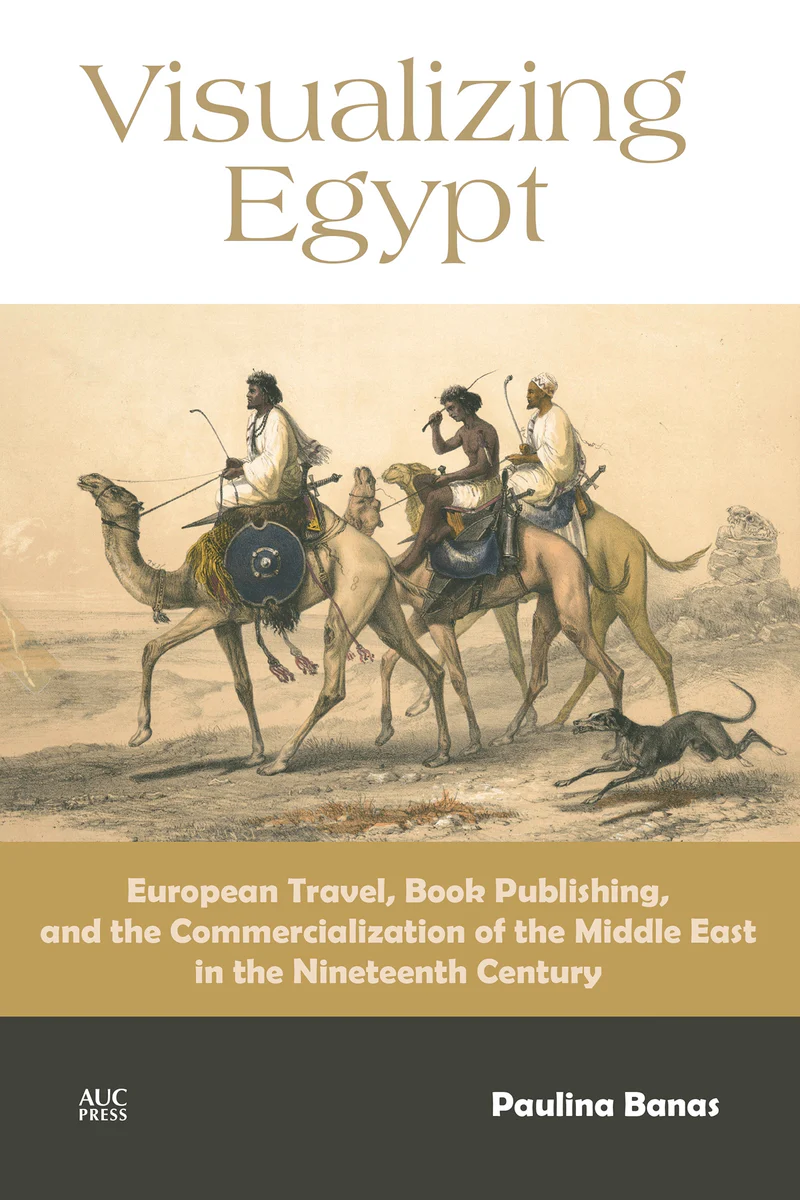
Illustrated publications and the role of market forces in shaping representations of Egypt at a time when European colonial interests in the region were at their peak, with over 70 color and black-and-white illustrations
In the nineteenth century, following Napoleon Bonaparte’s 1798 campaign in Egypt, new possibilities of travel and improvements in printing technology saw an emergence of publishing ventures in France and Britain dedicated to the production of albums and travel accounts featuring images of Muslim Egypt and Islamic architecture and catering to a growing European fascination with the East.
Visualizing Egypt analyzes the context and process of production of these highly illustrated publications, from their conceptualization to the finished product and its afterlife, from marketing to the sales of these books, and from circulation to their reception by nineteenth-century audiences. By tracing the long, arduous, and often risky publishing journeys of the makers of these books, including publishers, writers, and artists, such as the Frenchman Émile Prisse d’Avennes, Paulina Banas reveals a complex terrain of changing market demands, collaborations, and conflicting views, and the unsettled authorship of these works, prompting us to think more profoundly about artistic and intellectual exchange in the world of nineteenth-century Orientalist book production.
Visualizing Egypt considers nineteenth-century book illustrations on Egypt and the “Orient” not merely as expressions of enduring ideology and colonial propaganda, but as representations shaped by the often-overlooked commercial exigencies of the growing publishing industry and the reckless competition within it.
22 in stock
Visual Visualization Egypt: European Travel, Book Publishing, and the
Visualizing Egypt: European Travel, Book Publishing, and the Book Description
Visualizing Egypt: European Travel, Book Publishing, and the invites readers to travel back to the nineteenth‑century boom in travel literature. This English title, available at Kalimat Bookstore Online, offers a richly illustrated journey that reveals how market forces shaped European images of Egypt at the height of colonial interest. Over 70 colour and black‑and‑white plates bring bustling streets, majestic mosques, and sweeping deserts to vivid life.
In the wake of Napoleon’s 1798 Egyptian campaign, new travel routes and faster printing sparked a surge in French and British publishing. Meanwhile, entrepreneurs, writers, and artists teamed up to satisfy growing curiosity about the “Orient.” The book carefully traces the production chain—from the first sketch to the final sale of lavish albums—showing how marketing strategies and distribution networks influenced what readers actually saw.
By following risky journeys of figures such as French explorer Émile Prisse d’Avennes, author Paulina Banas exposes shifting market demands and contested authorship. Furthermore, she asks readers to reconsider Orientalist illustrations not only as propaganda but also as products of fierce competition within a rapidly expanding publishing industry.
Key Features of Visualizing Egypt: European Travel, Book Publishing, and the
The book includes more than 70 vivid illustrations that capture Egypt’s architecture and daily life. Readers will appreciate detailed captions that explain each plate’s historical context, helping to bridge visual art and scholarly analysis. Each chapter focuses on a specific stage of the publishing process—concept, design, marketing, and reception—making complex topics easy to follow.
Additionally, the narrative is enriched with anecdotes about creators’ personal challenges and successes. Moreover, a concise bibliography and a glossary of key terms support students, researchers, and casual readers alike, ensuring the work remains both informative and accessible.
Why Read This Book?
Fans of travel history will discover how nineteenth‑century adventures shaped modern perceptions of Egypt. The story blends scholarly insight with engaging storytelling, providing an enjoyable reading experience for a broad audience. Readers can learn about the economics of book production, a topic rarely covered in popular histories.
Because the author links commercial motives to artistic outcomes, the book encourages a deeper understanding of how culture and commerce intersect. Moreover, Visualizing Egypt: European Travel, Book Publishing, and the offers a fresh perspective on Orientalism, highlighting the role of market demand and competition rather than viewing images solely as political tools.
About This Book
More detail about this book and its author can be found on Goodreads. Also, explore the best English books online in our store through this link.
| Author |
|---|
Only logged in customers who have purchased this product may leave a review.
Product Related

EGP980.00

Out of stock
EGP605.00

Out of stock
EGP490.00

EGP1,430.00
Reviews
There are no reviews yet.