
What the War Left Behind: Women’s Stories of Resistance and

What the War Left Behind: Women’s Stories of Resistance and
EGP1,500.00
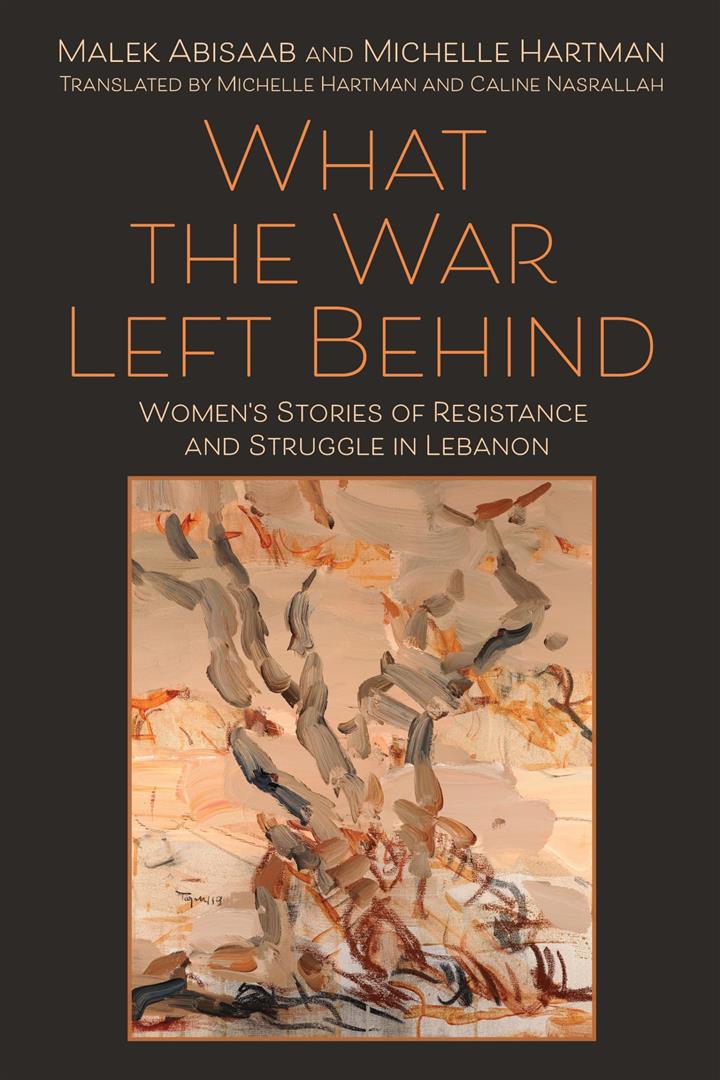
Conspicuously missing from narratives of the Lebanese Civil War are the stories of women who took part in daily social activism and political organizing during the tumultuous conflict. What the War Left Behind documents their stories, with eight women directly sharing their experiences of action and survival through the hardship of war. What the War Left Behind brings together oral histories of women from a range of political affiliations, socioeconomic classes, and religious identities. These histories present an alternative image of women during war, highlighting the actions of those who sought to make life better for themselves and their neighbors during conflict. By centering women’s voices in the war, Abisaab and Hartman present a new perspective on an oft-discussed historical era, demonstrating the power of resistance during difficult times. These translated texts showcase the active roles women take during wartime and how women’s political efforts are an essential part of Lebanese history.
2 in stock
What the War Left Behind: Women’s Stories of Resistance and
What the War Left Behind: Women’s Stories of Resistance and Book Description
Readers will discover What the War Left Behind: Women’s Stories of Resistance and as a powerful English volume offered by Kalimat Bookstore Online. The book lifts the voices of eight Lebanese women who lived through the civil war and chose to act, organize, and survive. Meanwhile, the authors Abisaab and Hartman compile oral histories that span politics, class, and faith. As a result, the narrative reveals a side of war that many histories overlook—women’s everyday bravery and community care. This compelling collection invites you to explore resistance from a fresh, human perspective.
Throughout the chapters, each woman shares her own story of activism and survival. Additionally, the interviews show how personal courage intertwined with broader social movements. Fans of oral history will enjoy the intimate tone, while history lovers will gain insight into a seldom‑told chapter of Lebanese conflict. Moreover, the translations keep the original emotions vivid and clear, making the experiences accessible to English‑speaking readers.
Inside the book, readers encounter a wide range of voices—from a young teacher rallying neighbors to a seasoned community leader negotiating aid. Furthermore, the narratives highlight how women negotiated identity, religion, and politics amid chaos. Consequently, the work paints an alternative image of wartime life, emphasizing cooperation, resilience, and hope. Because the stories are told directly by the participants, the book feels immediate and authentic.
Key Features of What the War Left Behind: Women’s Stories of Resistance and
The book offers eight first‑person accounts that bring the Lebanese civil war to life. Each chapter is thoughtfully organized, allowing readers to move easily between different perspectives. Additionally, the oral histories are paired with contextual notes that explain the larger political backdrop without overwhelming the narrative. Moreover, the authors include photographs and documents that enrich the storytelling. Therefore, the volume serves both as an engaging read and a valuable educational resource.
Readers can also benefit from the book’s clear structure, which separates personal testimonies from analytical commentary. This design helps newcomers to the topic grasp key themes quickly. Meanwhile, scholars will appreciate the rigorous sourcing and respectful translation approach. Also, the inclusive range of socioeconomic and religious backgrounds ensures a balanced portrayal of women’s experiences across the conflict.
Why Read This Book?
Many readers seek history that centers marginalized voices, and this book delivers exactly that. It uncovers the hidden labor of women who kept families, neighborhoods, and neighborhoods alive during war. Because the stories are vivid and personal, they inspire empathy and a deeper understanding of resistance. Additionally, the work challenges traditional war narratives that focus solely on soldiers and politicians. Consequently, it encourages readers to rethink how we define courage and leadership.
Furthermore, the book is an excellent addition to any collection on Middle Eastern studies, gender studies, or oral history. It provides fresh material for classroom discussion, book clubs, or personal reflection. Moreover, the accessible language makes it suitable for high‑school and college readers alike. Therefore, choosing this title means supporting diverse perspectives and enriching your literary shelf.
About This Book
For more details about the authors and the making of What the War Left Behind: Women’s Stories of Resistance and, visit the Goodreads page. You can also explore other top English titles in our store by clicking the English Books link.
| Author |
|---|
Only logged in customers who have purchased this product may leave a review.
Product Related

Out of stock
EGP380.00

Out of stock
EGP605.00
Out of stock
EGP475.00

Out of stock
EGP1,305.00
Reviews
There are no reviews yet.