

Domus: Domus 1940-1949
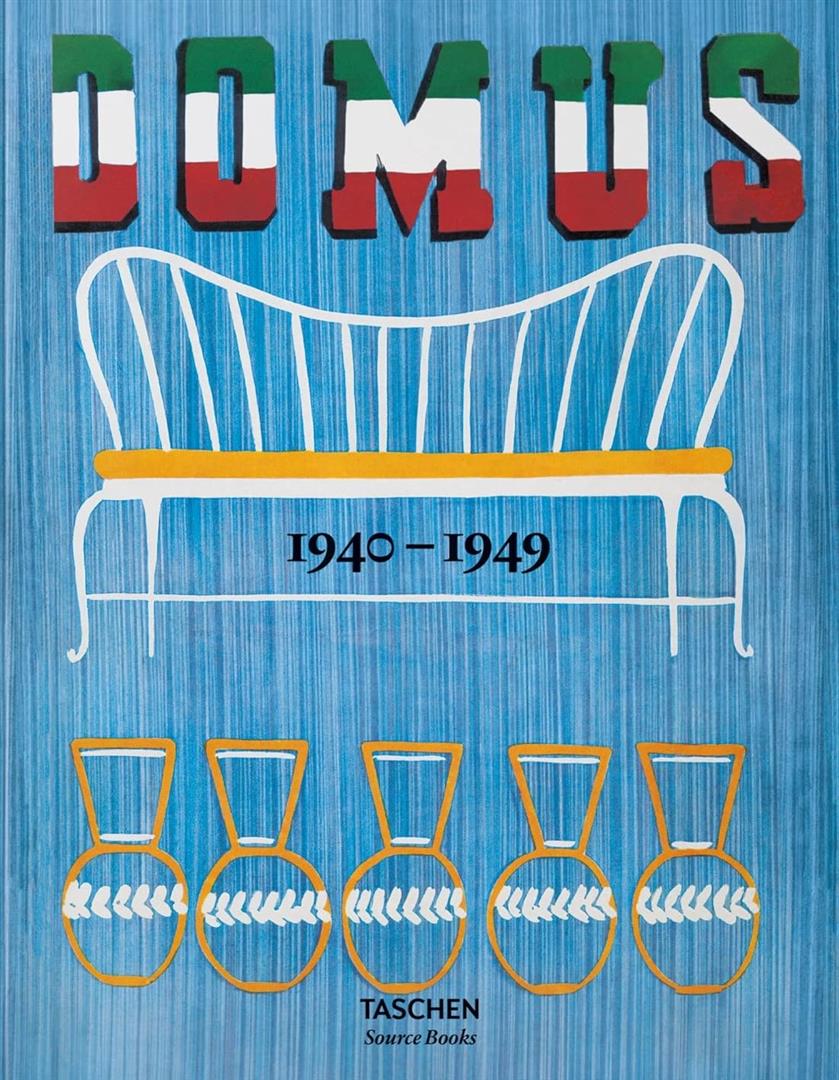


Domus: Domus 1940-1949
Founded in 1928 as a “living diary” by the great Milanese architect and designer Gio Ponti, domus has been hailed as the world’s most influential architecture and design journal. With style and rigor, it has reported on the major themes and stylistic movements in industrial, interior, product, and structural design.This fresh reprint of domus’ coverage of the 1940s brings together the most important features from a decade of destruction and reconstruction. Even amid the bombing raids inflicted on Milan, domus continued to publish through much of the war, charting the design zeitgeist, while managing a successive turnover of editors and editors-in-chief during Ponti’s “interregnum” between 1941 and 1948. The pages from this period record reports and features on modern industrial design and furniture, new prefabricated houses, American academic architecture, the building projects of Carlo Mollino, Gian Luigi Banfi, Franco Albini, and Giuseppe Terragni, as well as the postwar flowering of Organic Design.domus distilledSeven volumes spanning 1928 to 1999Over 4,000 pages featuring influential projects by the most important designers and architectsOriginal layouts and all covers, with captions providing navigation and contextIntroductory essays by renowned architects and designersEach edition comes with an appendix featuring texts translated into English, many of which were previously only available in ItalianA comprehensive index in each volume listing both designers’ and manufacturers’ names
Domus: Domus 1940-1949
Domus: Domus 1940-1949 Book Description
Domus: Domus 1940-1949 offers a vivid snapshot of a decade when design faced war and rebirth. Readers will travel through pages that capture the spirit of reconstruction, industrial innovation, and avant‑garde ideas. Meanwhile, the book preserves original layouts and cover art, giving a genuine feel of the historic journal.
Founded in 1928 by Milanese architect Gio Ponti, Domus quickly became the world’s most influential architecture and design magazine. During the 1940s, despite bombing raids on Milan, the publication continued to document emerging trends. Consequently, this reprint gathers the most important features from that turbulent era.
Fans of mid‑century design will enjoy reports on modern industrial furniture, prefabricated housing, and American academic architecture. Additionally, the volume highlights projects by Carlo Mollino, Gian Luigi Banfi, Franco Albini, and Giuseppe Terragni. Moreover, the post‑war surge of Organic Design receives special attention, showing how designers responded to new social needs.
Each section includes introductory essays by renowned architects, providing context for the featured works. Also, an appendix translates many Italian texts into English, making previously inaccessible material readable for a global audience. A comprehensive index at the back lists designers and manufacturers, helping researchers locate specific entries quickly.
Key Features of Domus: Domus 1940-1949
Readers can explore over 4,000 pages of influential projects spanning seven volumes from 1928 to 1999. The book retains original layouts, captions, and covers, delivering an authentic visual experience. Furthermore, each edition offers a detailed index that lists both designers and manufacturers, simplifying research.
Inside, you will find essays by celebrated architects that frame the historical context. Meanwhile, the English translations open up rare articles that were once only available in Italian. This combination of primary sources and scholarly commentary makes the volume both a collector’s item and a practical reference.
Why Read This Book?
Readers will discover how design evolved amid destruction and hope. The narrative shows how architects and designers adapted to limited resources and new technologies. Because of its rich visuals and concise analysis, the book serves both students and seasoned professionals.
Moreover, the book’s accessible language invites anyone interested in architecture, interior design, or cultural history. It provides a clear window into the design zeitgeist of the 1940s, allowing modern readers to draw parallels with today’s challenges. Therefore, owning this volume adds depth to any design library.
About This Book
More detail about this book and its author can be found on Goodreads. Also discover the best English books online in our store through this link.
Only logged in customers who have purchased this product may leave a review.
Product Related

Out of stock

EGP1,200.00

EGP699.00

Reviews
There are no reviews yet.