

Domus: Domus 1950-1959
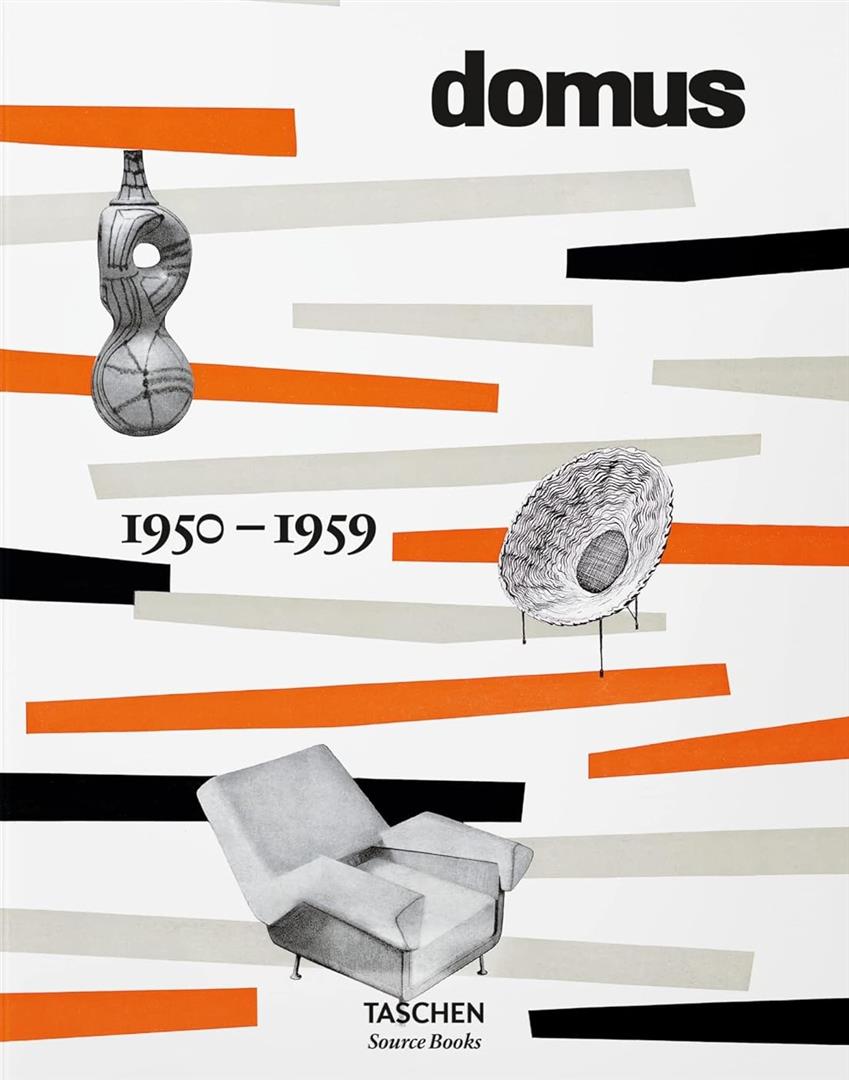


Domus: Domus 1950-1959
Founded in 1928 as a “living diary” by the great Milanese architect and designer Gio Ponti, domus has been hailed as the world’s most influential architecture and design journal. With style and rigor, it has reported on the major themes and stylistic movements in industrial, interior, product, and structural design.This fresh reprint of domus’ 1950s coverage brings together the most important features from an era of post-war optimism. As memories of conflict receded, architecture and design sought new forms, materials, and applications, as well as increasing international dialogue. Highlights include Le Corbusier’s design of the United Nations Building in New York; the Case Study Houses of Charles and Ray Eames; Richard Neutra in California, office machines by Olivetti, furniture by Ray and Charles Eames, ceramics and tables by Ettore Sottsass, and the Herman Miller Showroom by Alexander Girard in San Francisco.domus distilledSeven volumes spanning 1928 to 1999Over 4,000 pages featuring influential projects by the most important designers and architectsOriginal layouts and all covers, with captions providing navigation and contextIntroductory essays by renowned architects and designersEach edition comes with an appendix featuring texts translated into English, many of which were previously only available in ItalianA comprehensive index in each volume listing both designers’ and manufacturers’ names
Domus: Domus 1950-1959
Domus: Domus 1950-1959 Book Description
Domus: Domus 1950-1959 brings the excitement of post‑war design to modern readers in a lovingly restored English edition. Readers will travel through a decade when architects and designers embraced new materials, bold forms, and global dialogue. Meanwhile the original journal, founded in 1928 by Milanese architect Gio Ponti, adds a legacy of innovation to every page.
The story guides you from Le Corbusier’s United Nations Building in New York to the Case Study Houses that reshaped American living. Fans of architecture can explore Richard Neutra’s modernist homes in California, Olivetti’s groundbreaking office machines, and the iconic furniture of Ray and Charles Eames. Additionally the book showcases Ettore Sottsass’s ceramic tables and Alexander Girard’s Herman Miller showroom in San Francisco.
Each chapter includes introductory essays by renowned designers, offering context that deepens understanding. Moreover the original layouts, full‑color covers, and detailed captions help the eye navigate the rich visual content. Therefore this reprint serves both as a historical record and an inspiring source for contemporary creators.
Key Features of Domus: Domus 1950-1959
The edition focuses on the pivotal 1950s, delivering the most compelling stories of that decade. Readers can use a comprehensive index that lists designers, manufacturers, and projects, making research quick and easy. An appendix provides English translations of texts previously available only in Italian, giving rare insight into the thinking behind celebrated works.
Every page presents original photographs, sketches, and diagrams that retain the authentic look of the historic journal. Because the content is organized by theme—industrial design, interior architecture, product innovation—users can explore topics that interest them most. Additionally the captions act as a navigation tool, helping readers locate specific projects without endless flipping.
Why Read This Book?
Readers will experience the excitement of a decade that reshaped the built environment. The guide reveals how designers responded to post‑war challenges with creativity and optimism. Moreover the rich visuals and scholarly essays make the book a valuable reference for students, professionals, and enthusiasts alike.
Many readers find inspiration in the juxtaposition of historic projects and modern design principles. This book helps uncover ideas that can be applied to today’s work, whether in architecture, product design, or interior styling. Also the clear layout and thorough index ensure the material is easy to navigate, encouraging repeated use.
About This Book
More detail about this book and its author can be found on Goodreads. Also discover the best English books online in our store through this link.
| Author |
|---|
Only logged in customers who have purchased this product may leave a review.
Product Related


EGP850.00

Out of stock
EGP100.00

Reviews
There are no reviews yet.