

Islamic Theology and the Problem of Evil
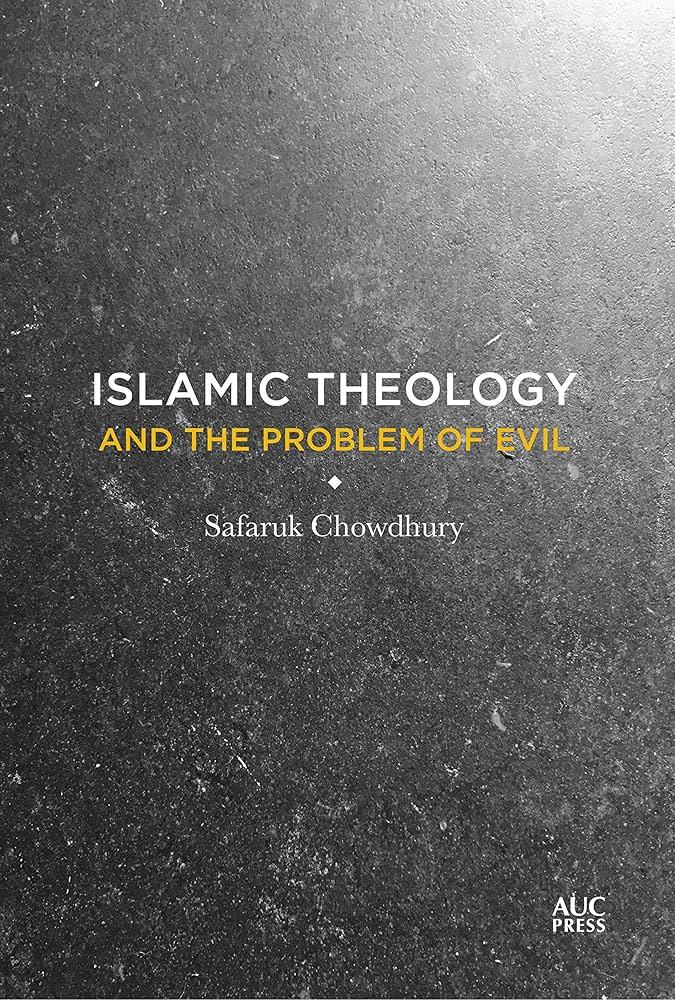


Islamic Theology and the Problem of Evil
EGP1,000.00
Like their Jewish and Christian co-religionists, Muslims have grappled with how God, who is perfectly good, compassionate, merciful, powerful, and wise permits intense and profuse evil and suffering in the world. At its core, Islamic Theology and the Problem of Evil explores four different problems of evil: human disability, animal suffering, evolutionary natural selection, and Hell. Each study argues in favor of a particular kind of explanation or justification (theodicy) for the respective evil. Safaruk Chowdhury unpacks the notion of evil and its conceptualization within the mainstream Sunni theological tradition, and the various ways in which theologians and philosophers within that tradition have advanced different types of theodicies. He not only builds on previous works on the topic, but also looks at kinds of theodicies previously unexplored within Islamic theology, such as an evolutionary theodicy.
Distinguished by its application of an analytic-theology approach to the subject and drawing on insights from works of both medieval Muslim theologians and philosophers and contemporary philosophers of religion, this novel and highly systematic study will appeal to students and scholars, not only of theology but of philosophy as well.
21 in stock
Islamic Theology and the Problem of Evil
Islamic Theology and the Problem of Evil Book Description
Islamic Theology and the Problem of Evil offers a clear and engaging look at why a compassionate, powerful God allows suffering. Written in English, this book is now available at Kalimat Bookstore Online, promising a thoughtful reading experience for anyone curious about faith and philosophy.
Readers will discover how Muslims, like their Jewish and Christian neighbors, wrestle with the question of intense evil and suffering. The author, Safaruk Chowdhury, examines four major areas of concern: human disability, animal suffering, evolutionary natural selection, and the concept of Hell. Each chapter presents a distinct theodicy that seeks to explain why such hardships exist.
Meanwhile, the book unpacks the notion of evil within the mainstream Sunni tradition. Chowdhury shows how medieval scholars and contemporary philosophers have crafted different explanations. He also introduces fresh perspectives, such as an evolutionary theodicy, that have rarely been discussed in Islamic theology.
Furthermore, the work uses an analytic‑theology approach, blending rigorous analysis with accessible language. This method helps students and scholars see connections between classic Islamic thought and modern philosophical debates. The result is a systematic study that feels both scholarly and readable.
Key Features of Islamic Theology and the Problem of Evil
One highlight is the clear breakdown of complex topics into bite‑size sections. Readers can easily follow arguments about disability, animal pain, evolution, and Hell without feeling overwhelmed. Additionally, each section includes concise summaries that reinforce the main points.
Another feature is the rich use of sources. Chowdhury draws from medieval theologians, such as Al‑Ghazzali, and from contemporary philosophers of religion. This blend creates a bridge between historical insight and present‑day relevance, making the book valuable for both theology students and philosophy enthusiasts.
Moreover, the book offers original theodicies that have not been explored before in Islamic literature. By proposing an evolutionary theodicy, the author invites readers to think beyond traditional explanations and consider how science and faith can intersect.
Why Read This Book?
Readers will appreciate the balanced tone that respects faith while encouraging critical thought. The author avoids jargon, using simple language that suits a broad audience. Therefore, even those new to theological studies can grasp the core ideas quickly.
Fans of comparative religion will enjoy the way the book places Islamic perspectives alongside Jewish and Christian viewpoints. This comparative angle helps deepen understanding of universal questions about good, evil, and divine justice.
Finally, the book serves as a useful reference for academic courses and personal study alike. Students can cite its well‑structured arguments, while casual readers can explore the topics at their own pace.
About This Book
More detail about this book and its author can be found on Goodreads. Discover other top English titles in our store through the Kalimat Bookstore English Books collection.
| Author |
|---|
Only logged in customers who have purchased this product may leave a review.
Product Related

Out of stock

EGP655.00

Out of stock
EGP75.00

EGP605.00
Reviews
There are no reviews yet.