

Park, Tenement, Slaughterhouse: Elite Imaginaries of Buenos Aires, 1852–1880
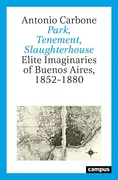

Park, Tenement, Slaughterhouse: Elite Imaginaries of Buenos Aires, 1852–1880
EGP5,018.00
Park, Tenement, Slaughterhouse: Elite Imaginaries of Buenos Aires, 1852–1880
Park, Tenement, Slaughterhouse: Elite Imaginaries of Buenos Aires, 1852–1880 Book Description
Readers will discover how epidemic disease shaped the urban fabric of 19th‑century Buenos Aires in this vivid English edition. The book examines the cholera and yellow‑fever crises of the 1860s‑70s and shows how elite debates transformed three key sites: the industrial slaughterhouses, the crowded tenements, and the newly designed Palermo Park. By linking health scares to planning decisions, the author uncovers the powerful role of fear in reshaping a city.
The story takes readers inside the bustling slaughterhouses that once stood at the city’s edge. Meanwhile, the author reveals how their removal sparked a heated discussion about sanitation and public safety. Additionally, the tenement reforms illustrate the clash between working‑class density and elite aspirations for order. Furthermore, the creation of Palermo Park emerges as a bold vision to combat disease through green space.
Inside each chapter, the narrative connects local struggles with global trends in public health. Moreover, the book highlights how Buenos Aires elites imagined a modern metropolis while grappling with the very real threat of contagion. Readers can see how these imagined futures directly influenced concrete changes in architecture, zoning, and civic policy.
Key Features of Park, Tenient, Slaughterhouse
Fans of urban history will appreciate the clear, narrative‑driven analysis of three pivotal spaces. The author blends archival research with engaging storytelling, making complex historical forces easy to follow. Each section includes vivid descriptions, maps, and contemporary quotes that bring 19th‑century Buenos Aires to life. Additionally, the book offers a fresh perspective on how health crises can accelerate urban reform.
Readers will also enjoy concise case studies that compare Buenos Aires to other port cities facing similar epidemics. Meanwhile, the work emphasizes the role of elite imagination in driving public projects, showing how power and ideas shape the built environment. Because the narrative stays focused on people, places, and policies, it remains accessible to both scholars and general readers.
Why Read This Book?
This book reveals that the history of epidemic diseases can teach us much about today’s urban challenges. The author shows how past public‑health emergencies prompted lasting changes in city planning, a lesson that feels especially relevant in our current global context. Moreover, the text encourages readers to think critically about the connections between health, social class, and space.
Readers can learn how elite visions turned into tangible reforms, from banning industrial slaughterhouses to designing expansive parks. Furthermore, the narrative invites reflection on how modern cities might respond to future health threats. By offering both scholarly insight and compelling storytelling, the book makes a strong case for interdisciplinary study.
About This Book
More detail about this book and its author can be found on Goodreads. Also, explore the best English titles available at our store through the Kalimat Bookstore Online collection.
Be the first to review “Park, Tenement, Slaughterhouse: Elite Imaginaries of Buenos Aires, 1852–1880”
Product Related

EGP1,050.00

Out of stock

Out of stock
EGP360.00

EGP215.00
Reviews
There are no reviews yet.