

Minoritarian Liberalism: A Travesti Life in a Brazilian Favela
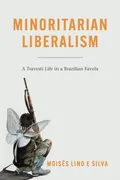

Minoritarian Liberalism: A Travesti Life in a Brazilian Favela
Minoritarian Liberalism: A Travesti Life in a Brazilian Favela Book Description
Minoritarian Liberalism: A Travesti Life in a Brazilian Favela invites readers into the bustling streets of Rocinha, Rio’s largest favela, where everyday life becomes a stage for a new politics of freedom. Author Moisés Lino e Silva follows Natasha Kellem, a charismatic self‑declared travesti, as she navigates love, work, and community. Through vivid scenes and personal interviews, the book shows how marginalized people reshape the idea of liberty beyond the promises of mainstream liberalism.
In this intimate ethnography, Lino e Silva explains how normative liberalism often serves privileged groups—typically white, adult, heteronormative, and middle‑class—while leaving Black people, children, LGBTQ individuals, and favela residents behind. He introduces the term “minoritarian liberalism” to describe the overlapping, alternative modes of freedom that emerge in oppressed communities. The concept highlights how queer, favela, and peasant identities converge to challenge dominant power structures.
Readers will meet a diverse cast of Rocinha residents who share stories of resilience, humor, and resistance. Many identify as queer, while others are labeled “abnormal” simply for living in a favela. Their narratives illustrate how capitalism, transphobia, racism, and state violence intersect, yet also reveal creative strategies for survival and joy. Throughout the book, Lino e Silva blends scholarly insight with heartfelt storytelling, making complex ideas accessible to a broad audience.
Key Features of Minoritarian Liberalism: A Travesti Life in a Brazilian Favela
First, the book offers a rare insider’s view of favela life, guided by Natasha Kellem’s vivid perspective. Her experiences provide a personal lens through which readers can understand broader social dynamics. Second, the work expands anthropological debate by documenting “minoritarian liberalism” as a lived reality, not just a theory. Third, each chapter weaves together interviews, field notes, and cultural analysis, creating a rich tapestry of voices that readers can easily follow.
Additionally, the narrative is written in clear, engaging English, making it suitable for both academic and general readers. Moreover, the author balances scholarly rigor with storytelling, ensuring that the book feels both informative and compelling. Finally, the ethnography includes striking descriptions of music, food, and street art, allowing readers to feel the pulse of Rocinha while learning about its deeper political struggles.
Why Read This Book?
Fans of social anthropology, gender studies, or contemporary Latin American literature will find this book invaluable. It uncovers hidden pathways to freedom that challenge conventional power structures, offering fresh insights for activists and scholars alike. Meanwhile, the personal stories of Natasha and her neighbors provide an emotionally resonant experience that encourages empathy and reflection. Therefore, readers can deepen their understanding of how marginalized communities craft their own versions of liberty.
Furthermore, the book serves as a powerful reminder that liberation is not a one‑size‑fits‑all concept. It shows how intersecting identities create unique forms of resistance that can inspire change worldwide. Because of its accessible style and profound themes, Minoritarian Liberalism: A Travesti Life in a Brazilian Favela is a must‑read for anyone interested in the lived realities of the oppressed.
About This Book
For more details about the author and reader reviews, visit the Goodreads page. Explore other top English titles in our store by following this link.
Be the first to review “Minoritarian Liberalism: A Travesti Life in a Brazilian Favela”
Product Related

EGP1,050.00

Out of stock

Out of stock
EGP360.00

EGP215.00
Reviews
There are no reviews yet.