

Adivasi art and Activism: Curation in a Nationalist age (Global South Asia)
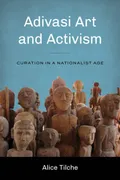


Adivasi art and Activism: Curation in a Nationalist age (Global South Asia)
EGP4,520.00
Out of stock
Adivasi art and Activism: Curation in a Nationalist age (Global South Asia)
Adivasi art and Activism: Curation in a Nationalist age (Global South Asia) Book Description
Readers will find Adivasi art and Activism: Curation in a Nationalist age (Global South Asia) a vivid exploration of India’s tribal communities and the forces shaping their lives. This English title, available at Kalimat Bookstore Online, blends anthropology, art criticism, and activism into a compelling narrative. The author, Alice Tilche, draws on fieldwork in rural western India to reveal how adivasi aesthetics, daily practices, and spiritual beliefs adapt under pressure from development, Hinduization, and global markets.
Meanwhile, the book highlights that more than 800 adivasi communities—over 100 million people speaking 300+ languages—remain disproportionately poor. Although the state recognizes their historical presence, poverty persists because cultural heritage and traditional lifestyles are often suppressed. Tilche’s research shows how these communities negotiate identity while confronting modern challenges.
Furthermore, Tilche documents curatorial projects that extend beyond museums. She shows how adivasi art thrives in the home, on the body, and across the landscape. These examples illustrate how indigenous creators reclaim space and influence cultural policy. The narrative therefore invites readers to consider the politics of preservation and the role of activism in shaping contemporary art.
Key Features of Adivasi art and Activism
Inside this book, readers will explore vivid case studies of community‑led exhibitions, traditional textile designs, and ritual performances. Each chapter blends photographs, interviews, and analysis to make complex ideas easy to grasp. Additionally, the text examines the impact of Hindu nationalist aesthetics on indigenous expression, offering a balanced critique that respects both scholarly rigor and lived experience.
Moreover, the author provides practical insights for curators, activists, and students interested in decolonizing art spaces. The book outlines strategies for ethical collaboration, community consent, and sustainable representation. Because of these tools, readers can apply the lessons to their own projects or academic work.
Why Read This Book?
Fans of cultural anthropology and contemporary art will enjoy Tilche’s accessible storytelling. The guide reveals how adivasi peoples navigate change while preserving unique traditions. Therefore, readers gain a deeper appreciation for the resilience and creativity of India’s tribal societies. Also, the book serves as a valuable resource for anyone studying postcolonial politics, museum studies, or social justice in South Asia.
Many readers appreciate the blend of scholarly insight and personal narratives. This approach makes complex topics feel immediate and relatable. Consequently, the book not only informs but also inspires action toward more inclusive cultural policies.
About This Book
For further details on the author and reader reviews, visit the Goodreads page. Explore more English titles and discover the best books online at our store’s book collection. Enjoy a reading experience that enlightens and empowers.
Only logged in customers who have purchased this product may leave a review.
Product Related

EGP830.00

EGP680.00


Out of stock
EGP665.00
Reviews
There are no reviews yet.