

Arab Women Writers: A Critical Reference Guide, 1873-1999
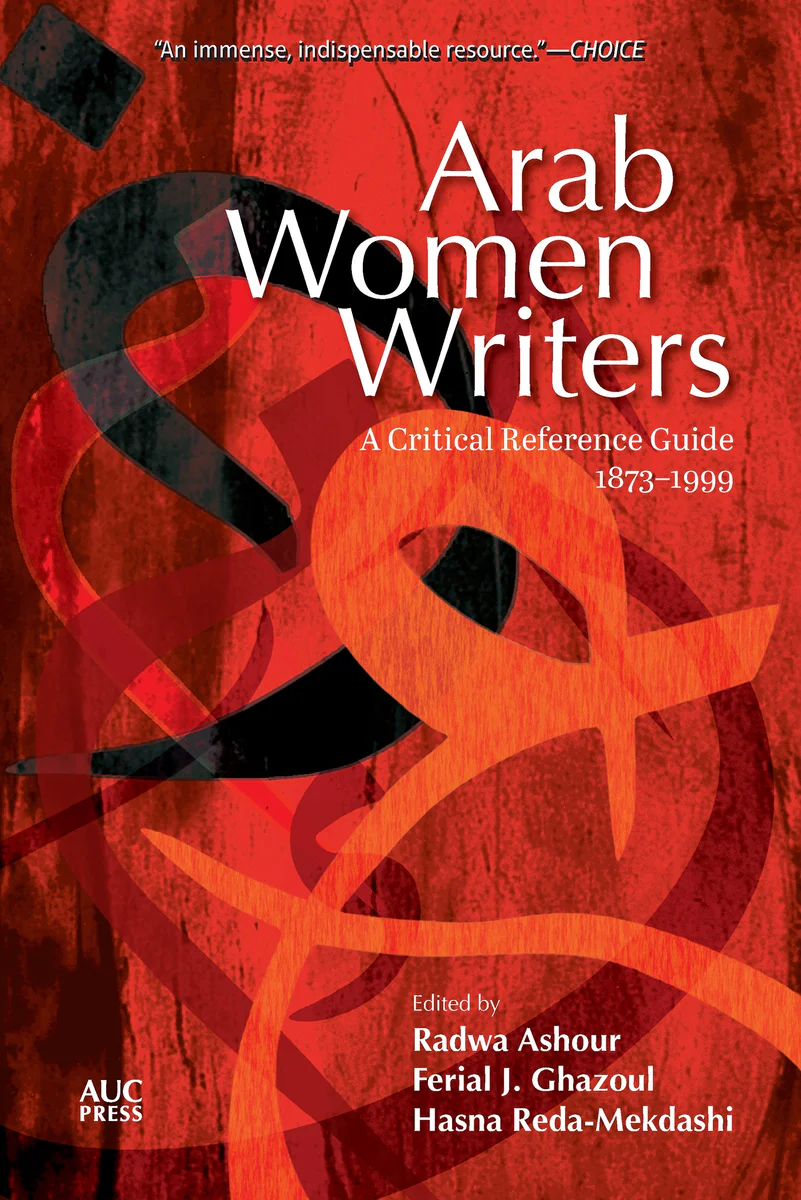


Arab Women Writers: A Critical Reference Guide, 1873-1999
EGP450.00
An immense, indispensable resource.”—CHOICE, Named an Outstanding Academic Title Selection “As a women’s studies librarian, I treasure this guide as a reference tool.”—Feminist Collections An invaluable reference source and critical review of Arab women writers from the last quarter of the nineteenth century to the end of the twentieth century, new in paperback Arab women’s writing in the modern age began with ‘A’isha al-Taymuriya, Warda al-Yaziji, Zaynab Fawwaz, and other nineteenth-century pioneers in Egypt and the Levant. This unique study—first published in Arabic in 2004—looks at the work of those pioneers and then traces the development of Arab women’s literature through the end of the twentieth century, and also includes a meticulously researched, comprehensive bibliography of writing by Arab women. In the first section, in nine essays that cover the Arab Middle East from Morocco to Iraq and Syria to Yemen, critics and writers from the Arab world examine the origin and evolution of women’s writing in each country in the region, addressing fiction, poetry, drama, and autobiographical writing. The second part of the volume contains bibliographical entries for over 1,200 Arab women writers from the last third of the nineteenth century through 1999. Each entry contains a short biography and a bibliography of each author’s published works. This section also includes Arab women’s writing in French and English, as well as a bibliography of works translated into English. With its broad scope and extensive research, this book is an indispensable resource for anyone interested in Arabic literature, women’s studies, or comparative literature.
30 in stock
Arab Women Writers: A Critical Reference Guide, 1873-1999
Arab Women Writers: A Critical Reference Guide, 1873-1999 Book Description
Readers will discover a concise English‑language guide that charts Arab women’s literary production from the late 1800s to the close of the twentieth century. This book blends insightful essays, brief biographical notes, and a thorough bibliography, making it essential for scholars, students, and anyone curious about this vibrant tradition. It opens clear pathways into a field often overlooked, helping users explore the full scope of Arab women’s writing with ease.
The story begins with pioneers such as ‘A’isha al‑Taymuriya, Warda al‑Yaziji, and Zaynab Fawwaz. Meanwhile, the guide shows how these early voices inspired later generations across the Arab world. Critics and writers from Morocco to Iraq contribute nine detailed essays that examine fiction, poetry, drama, and autobiography, highlighting regional nuances and shared themes.
In addition to Arabic‑language texts, the guide includes entries for works written in French and English, as well as a separate bibliography of English translations. Therefore, readers can explore the full linguistic range of Arab women’s literature. CHOICE called the book “an immense, indispensable resource,” and women’s studies librarians praise its reference quality, confirming its value for research and teaching.
Key Features of Arab Women Writers: A Critical Reference Guide, 1873-1999
Each essay offers a clear overview of literary development within a specific country, helping readers quickly grasp regional differences. Furthermore, the biographical entries are concise yet informative, allowing users to locate essential details without wading through dense text. This structure makes the guide both a fast lookup tool and a deeper study companion.
The bibliography is meticulously compiled, giving scholars a reliable roadmap to primary sources and critical studies. Moreover, the guide spotlights lesser‑known writers who produced work in French or English, expanding the traditional Arabic‑centric narrative. Meanwhile, the translation bibliography points readers toward accessible versions of key works, making the literature more approachable for non‑Arabic speakers.
Why Read This Book?
Readers will enjoy a balanced blend of scholarly analysis and practical reference material. The guide serves as a solid starting point for coursework, research projects, or personal interest in Arab women’s contributions to literature. Because it spans more than a century, the volume reveals how social, political, and cultural shifts influenced literary themes and styles.
Fans of comparative literature will appreciate the cross‑regional perspectives that compare trends in Morocco, Egypt, Syria, Yemen, and beyond. Also, the book’s clear language and active tone make complex topics accessible to a broad audience, from undergraduate students to lifelong learners. Therefore, it functions as both an academic resource and an engaging read.
About This Book
More detail about this book and its author can be found on Goodreads. Also, discover the best English books online in our store through this link. This paperback edition brings the original 2004 Arabic study to an English‑speaking readership, preserving its scholarly depth while offering a fresh, readable format.
| Author |
|---|
Be the first to review “Arab Women Writers: A Critical Reference Guide, 1873-1999”
Product Related
Out of stock
EGP200.00

Out of stock
EGP1,740.00

Out of stock
EGP595.00

Reviews
There are no reviews yet.