
Ceramics of Iran: Islamic Pottery in the Sarikhani Collectio


Ceramics of Iran: Islamic Pottery in the Sarikhani Collectio
EGP4,705.00
A beautifully illustrated showcase of the rich and varied ceramic tradition of Iran
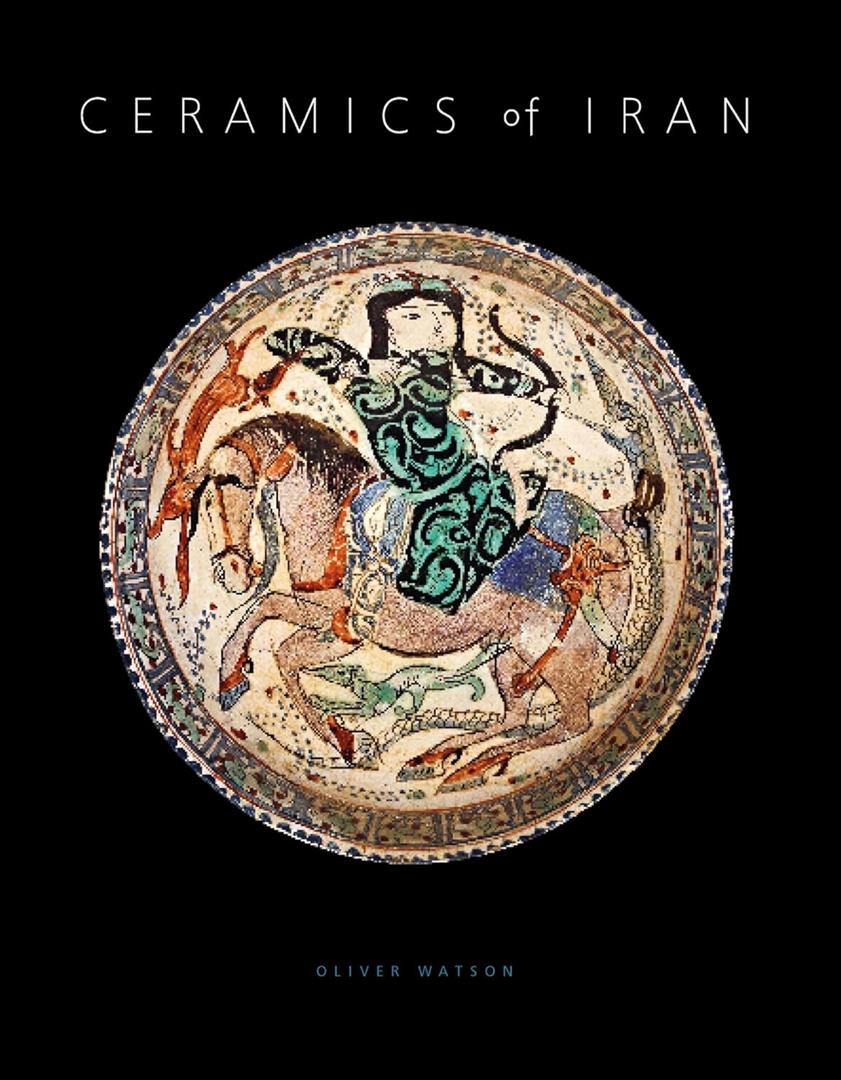
Featuring a broad selection of objects from one of the most distinguished collections of Iranian art, this volume brings together over 1,000 years of Persian Islamic pottery. With more than 500 illustrations, authoritative technical treatises, and insightful commentary, Ceramics of Iran assembles a collection of rarely seen treasures from the Persian world and presents a collective history of its renowned ceramic tradition. Included among its comprehensive catalogue entries are numerous translations of the object’s inscriptions, providing readers with a richer and more detailed understanding of the cultural heritage from which these items are derived. In addition, the book contains new research and material from previously unknown sites. Featuring all new photography of nearly 250 objects, Ceramics of Iran brings the extraordinary contributions of Persian art into a wider historical context, along with a wealth of images to demonstrate the full scope of its intricate beauty.
Distributed for the Sarikhani Collection
Out of stock
Ceramics of Iran: Islamic Pottery in the Sarikhani Collectio
Ceramics of Iran: Islamic Pottery in the Sarikhani Collectio Book Description
Readers will discover a vivid portrait of Iran’s ceramic heritage in Ceramics of Iran: Islamic Pottery in the Sarikhani Collectio. This English‑language volume brings together more than a thousand years of Persian Islamic pottery, drawn from one of the most distinguished Iranian art collections. With over 500 colour illustrations, the book offers a visual feast and a scholarly guide that invites both lovers of art and casual browsers to explore rare treasures.
Inside the pages, the author presents a chronological journey from early Islamic glazes to the intricate tiles of the Safavid era. Meanwhile, each catalogue entry includes translated inscriptions, helping readers understand the cultural and historical context of each piece. Additionally, new research reveals objects from previously unknown archaeological sites, adding fresh insight to a well‑studied tradition.
Furthermore, the book features fresh photography of nearly 250 objects, captured with modern lighting techniques. The images highlight the subtle brushwork, vivid pigments, and delicate forms that define Persian ceramics. Because of this visual richness, the volume serves as both a coffee‑table showcase and an academic reference.
Key Features of Ceramics of Iran: Islamic Pottery in the Sarikhani Collectio
Readers can enjoy more than 500 high‑resolution illustrations that bring each artifact to life. The technical treatises offer clear explanations of glazing methods, kiln technologies, and stylistic influences, making complex topics easy to grasp. Moreover, the catalogue entries are organized by period, region, and function, allowing quick navigation for researchers and enthusiasts alike.
Additionally, the book includes translations of Arabic and Persian inscriptions found on the pottery. These translations illuminate the social, religious, and commercial messages that ancient makers embedded in their work. The inclusion of this material enriches the narrative and provides a deeper appreciation of the objects’ original purpose.
Finally, the publication presents new findings from excavations that were previously undocumented. These discoveries broaden our understanding of trade routes and cultural exchange across the Islamic world. Therefore, the book not only preserves known masterpieces but also expands the story of Persian ceramics.
Why Read This Book?
Fans of art history will find a compelling combination of visual splendor and scholarly analysis. The guide helps readers explore how Persian potters blended local traditions with influences from neighboring cultures. Throughout the text, the author uses clear language that makes complex ideas accessible to a broad audience.
Meanwhile, collectors and museum professionals gain reliable catalogue data and provenance details that support authentication and exhibition planning. Because the book balances academic rigor with engaging storytelling, it appeals to both specialists and curious readers seeking to learn more about Islamic art.
Moreover, the volume offers a tangible connection to Iran’s artistic legacy. By holding the pages, readers experience the tactile beauty of glaze patterns and form, fostering a deeper emotional link to the past. Therefore, it makes an excellent addition to personal libraries, university collections, and cultural institutions.
About This Book
More detail about the book and its author can be found on Goodreads. Also, discover the best English books online in our store through Kalimat Bookstore. Distributed for the Sarikhani Collection, this volume stands as a definitive reference for anyone interested in the enduring artistry of Iranian ceramics.
| Author |
|---|
Only logged in customers who have purchased this product may leave a review.
Product Related
Out of stock
EGP75.00

Out of stock

Out of stock
EGP375.00

EGP1,100.00
Reviews
There are no reviews yet.