

Architecture of the Islamic West: North Africa and the Iberi

Architecture of the Islamic West: North Africa and the Iberi
EGP4,430.00
An authoritative survey situating some of the Western world’s most renowned buildings within a millennium of Islamic history
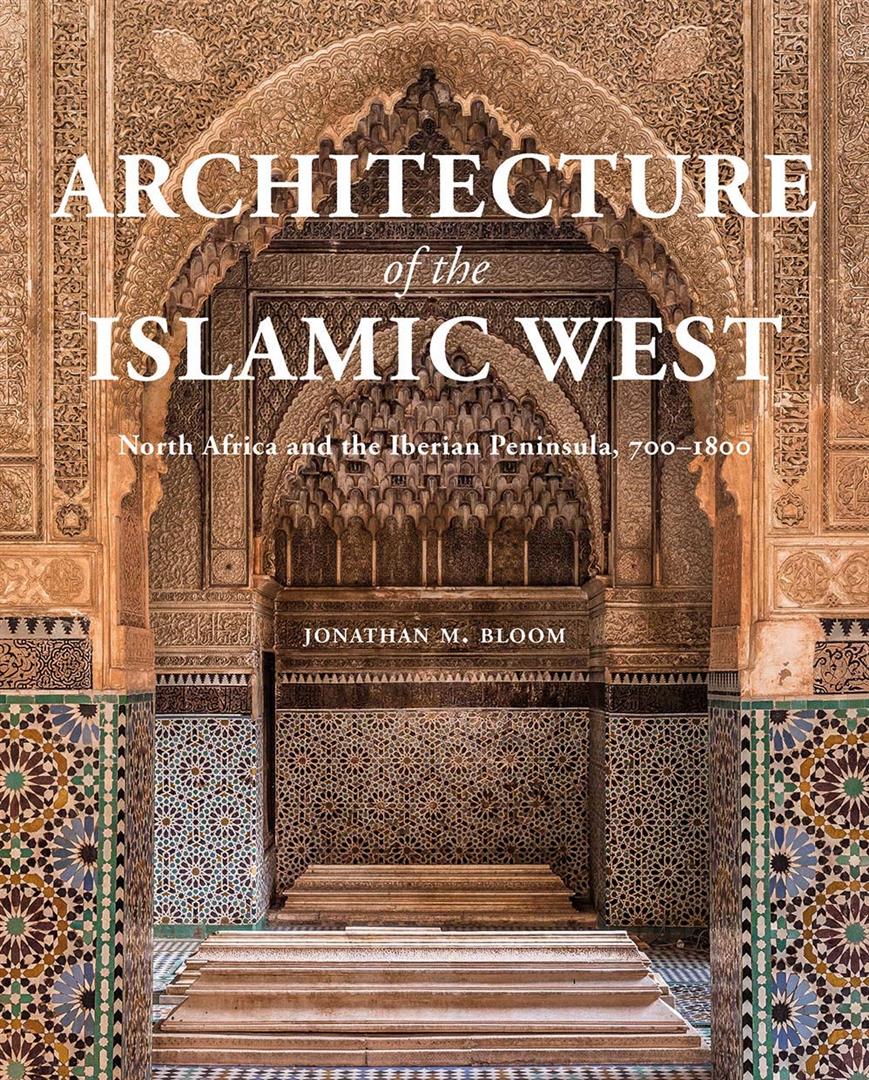
Some of the most outstanding examples of world architecture, such as the Mosque of Córdoba, the ceiling of the Cappella Palatina in Palermo, the Giralda tower in Seville, and the Alhambra Palace in Granada, belong to the Western Islamic tradition. This architectural style flourished for over a thousand years along the southern and western shores of the Mediterranean—between Tunisia and Spain—from the 8th century through the 19th, blending new ideas with local building practices from across the region.
Jonathan M. Bloom’s Architecture of the Islamic West introduces readers to the full scope of this vibrant tradition, presenting both famous and little-known buildings in six countries in North Africa and southern Europe. It is richly illustrated with photographs, specially commissioned architectural plans, and historical documents. The result is a personally guided tour of Islamic architecture led by one of the finest scholars in the field and a powerful testament to Muslim cultural achievement.
Out of stock
Architecture of the Islamic West: North Africa and the Iberi
Architecture of the Islamic West: North Africa and the Iberi Book Description
Readers will find Architecture of the Islamic West: North Africa and the Iberi an engaging English volume now available at Kalimat Bookstore Online. This book offers a vivid tour of a thousand‑year tradition that shaped the southern and western Mediterranean coast from the 8th to the 19th century. Inside, the author blends scholarly insight with vivid storytelling, making complex history easy to explore.
The guide highlights iconic structures such as the Mosque of Córdoba, the soaring Giralda tower in Seville, the intricate ceiling of Palermo’s Cappella Palatina, and the breathtaking Alhambra Palace in Granada. Meanwhile, it also uncovers lesser‑known gems across six countries in North Africa and southern Europe. Therefore, readers can appreciate how Islamic architects merged new ideas with local building practices to create a unique and lasting style.
Throughout the pages, richly reproduced photographs sit beside specially commissioned architectural plans and rare historical documents. Additionally, each illustration is paired with clear explanations that help readers visualize the design process. The result is a personally guided tour led by one of the field’s finest scholars, showcasing the cultural achievements of the Islamic West.
Key Features of Architecture of the Islamic West: North Africa and the Iberi
Fans of architectural history will enjoy the book’s balanced mix of famous monuments and hidden treasures. Moreover, the text is organized by region, allowing readers to follow a logical journey from Tunisia to Spain. Each chapter includes concise summaries, making it easy to grasp the significance of each building within its historical context.
Furthermore, the volume contains over 200 full‑color images that bring stone, tile, and wood to life. The author also provides detailed floor plans that reveal how space was organized and how light shaped interiors. Because of these visual aids, both scholars and casual readers can learn quickly and retain information longer.
In addition, the book offers sidebars that explain key terms, such as “mihrab,” “horseshoe arch,” and “muqarnas.” These brief notes help readers unfamiliar with Islamic architecture build a solid foundation without feeling overwhelmed.
Why Read This Book?
Many readers seek a comprehensive yet accessible survey of Islamic influence on Western architecture. This title delivers exactly that by situating each structure within a millennium of Islamic history. Consequently, it helps readers understand how cultural exchange shaped the built environment of Europe and North Africa.
Additionally, the author’s narrative style is lively and personable. Readers will feel as though they are walking through courtyards, hearing the echo of prayers, and admiring intricate tilework. The book also underscores the lasting legacy of these monuments, reminding us that they continue to inspire modern designers.
Therefore, whether you are a student, a professional architect, or simply a lover of beautiful buildings, this book offers valuable insights and visual delight. It invites you to discover a vibrant tradition that is often overlooked in mainstream histories.
About This Book
For more details about the author and the book’s reception, visit the Goodreads page. Explore additional English titles in our store through the English Books collection.
| Author |
|---|
Only logged in customers who have purchased this product may leave a review.
Product Related

EGP135.00

Out of stock
EGP480.00


EGP680.00
Reviews
There are no reviews yet.