

Islamic Art and Architecture 650-1250

Islamic Art and Architecture 650-1250
EGP5,255.00
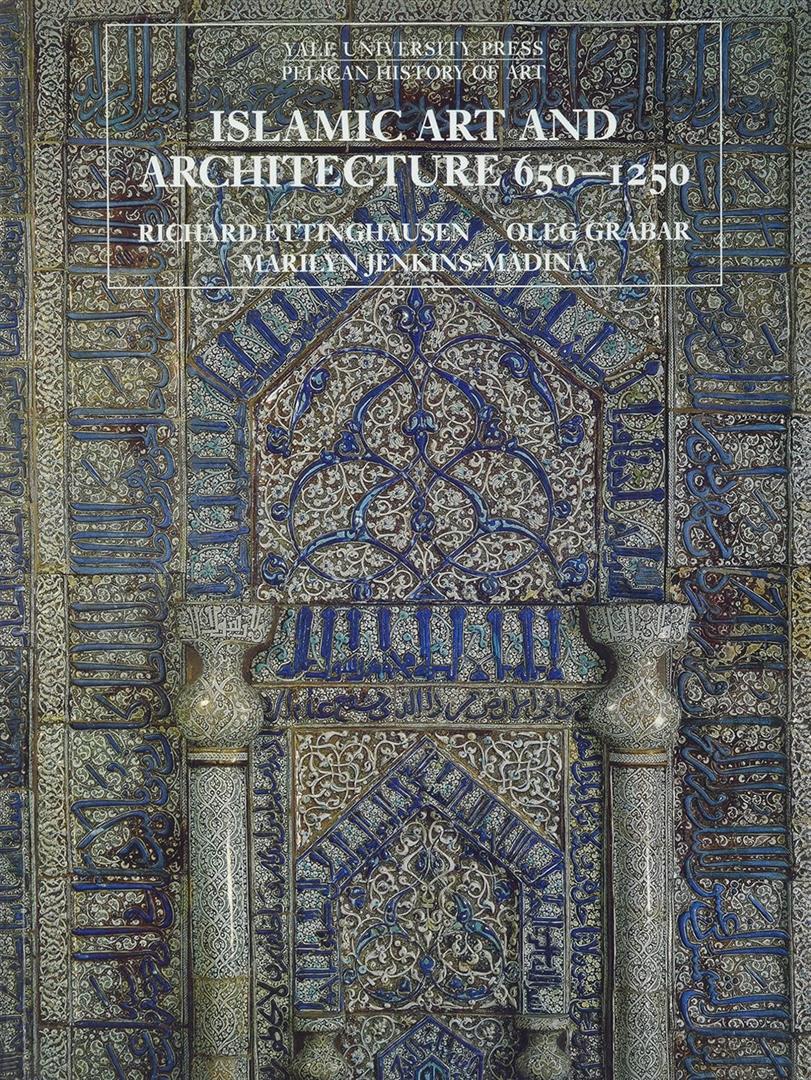
This richly illustrated book provides an unsurpassed overview of Islamic art and architecture from the seventh to the thirteenth centuries, a time of the formation of a new artistic culture and its first, medieval, flowering in the vast area from the Atlantic to India. Inspired by Ettinghausen and Grabar’s original text, this book has been completely rewritten and updated to take into account recent information and methodological advances.
The volume focuses special attention on the development of numerous regional centers of art in Spain, North Africa, Egypt, Syria, Anatolia, Iraq, and Yemen, as well as the western and northeastern provinces of Iran. It traces the cultural and artistic evolution of such centers in the seminal early Islamic period and examines the wealth of different ways of creating a beautiful environment. The book approaches the arts with new classifications of architecture and architectural decoration, the art of the object, and the art of the book.
With many new illustrations, often in color, this volume broadens the picture of Islamic artistic production and discusses objects in a wide range of media, including textiles, ceramics, metal, and wood. The book incorporates extensive accounts of the cultural contexts of the arts and defines the originality of each period. A final chapter explores the impact of Islamic art on the creativity of non-Muslims within the Islamic realm and in areas surrounding the Muslim world.
Out of stock
Islamic Art and Architecture 650-1250
Islamic Art and Architecture 650-1250 Book Description
Islamic Art and Architecture 650-1250 takes readers on a vivid journey through seven centuries of visual culture, from the rise of Islam to the flourishing of the thirteenth century. The book uses richly illustrated chapters to trace a new artistic language that spread from the Atlantic coast to the Indian subcontinent. This engaging English volume is now available at Kalimat Bookstore Online, inviting scholars and curious travelers to explore a remarkable period of creativity.
The author builds on the seminal work of Ettinghausen and Grabar while incorporating the latest research and methodological advances. Throughout each regional survey, clear explanations and vivid images reveal how local traditions merged with a shared Islamic aesthetic. Meanwhile, the narrative highlights the unique contributions of Spain, North Africa, Egypt, Syria, Anatolia, Iraq, Yemen, and the western and northeastern provinces of Iran.
Each chapter classifies architecture, decorative elements, objects, and manuscripts in an accessible way. Additionally, new full‑color plates showcase textiles, ceramics, metalwork, and woodcraft, allowing the eye to appreciate the breadth of medieval materials. The guide also provides cultural context, explaining how religious, political, and economic forces shaped artistic production. Therefore, the volume not only displays beauty but also explains why each style feels original to its time.
A final chapter explores how Islamic art influenced non‑Muslim creators within the Islamic world and in neighboring regions. This section shows the far‑reaching impact of the period’s visual language and highlights the lasting legacy of Islamic aesthetics beyond its original borders.
Key Features of Islamic Art and Architecture 650-1250
Readers will enjoy over one hundred high‑quality illustrations, many in vibrant colour, that bring each monument and object to life. The book also offers new classifications that make complex topics easy to understand, such as the distinction between structural design and decorative programs. Furthermore, each regional survey includes concise timelines, helping readers track developments at a glance.
Fans of art history will appreciate the balance between scholarly depth and readable prose. The author integrates recent archaeological findings and modern analytical methods, ensuring that the information stays current. Moreover, the text emphasizes the social and religious settings that shaped artistic choices, giving a holistic view of the period.
Why Read This Book?
Readers can gain a comprehensive overview of Islamic visual culture without needing prior expertise. The clear layout and short paragraphs make the material approachable for students, museum professionals, and casual readers alike. Additionally, the book serves as an excellent reference for anyone planning to visit historic sites, as it explains the significance behind familiar landmarks. Because the volume blends stunning visuals with insightful analysis, it becomes a treasured coffee‑table companion that invites repeated reading.
Many readers have praised the book for its ability to connect distant regions through a shared artistic spirit. The final chapter’s exploration of cross‑cultural influence adds a fresh perspective, encouraging readers to think about how art travels and transforms. Therefore, purchasing Islamic Art and Architecture 650-1250 adds a valuable resource to any personal library or educational collection.
About This Book
For more details about the author and reviews, visit the Goodreads page. Explore other top English titles in our store by following the English Books link.
| Author |
|---|
Only logged in customers who have purchased this product may leave a review.
Product Related

EGP1,280.00
Out of stock
EGP565.00

EGP600.00

Out of stock
EGP550.00
Reviews
There are no reviews yet.