

Coptic Identity and Ayyubid Politics in Egypt, 1218–1250
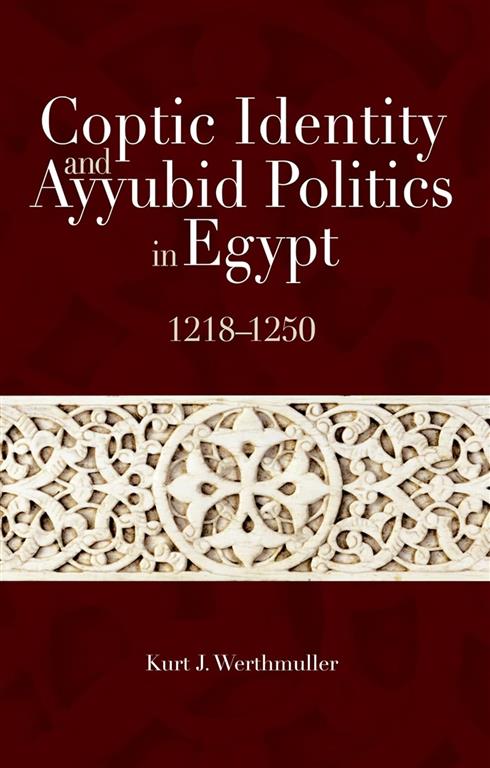


Coptic Identity and Ayyubid Politics in Egypt, 1218–1250
EGP550.00
4 in stock
Coptic Identity and Ayyubid Politics in Egypt, 1218–1250
Coptic Identity and Ayyubid Politics in Egypt, 1218–1250 Book Description
Readers will discover Coptic Identity and Ayyubid Politics in Egypt, 1218–1250 as a vivid portrait of a community coping with change. This English‑language study explains the social, religious, and political forces that shaped daily life under Ayyubid rule. The author offers clear analysis and concrete examples, making a complex period easy to follow for scholars and curious readers alike.
Fans of medieval history will enjoy the balanced narrative that draws on legal documents, letters, and chronicles. Throughout the book the author shows how Copts kept their identity while interacting with new rulers. Meanwhile, Ayyubid policies are presented as both challenges and accommodations for Christian minorities.
Additionally, the work places Egyptian events in a wider Mediterranean context. By comparing developments in Egypt with those in the Levant and Anatolia, the author reveals how regional politics shaped local decisions. Therefore, readers gain a comprehensive view without feeling overwhelmed.
Key Features of Coptic Identity and Ayyubid Politics in Egypt, 1218–1250
The guide includes detailed case studies of Coptic churches and monasteries. Each case study presents original sources, helping readers see how religious institutions adapted to new laws. Moreover, clear maps and timelines simplify complex chronology and aid visual learners.
Furthermore, concise chapter summaries reinforce major points and connect ideas across sections. Because the language stays straightforward, the book serves as a valuable reference for students, educators, and independent readers alike.
Why Read This Book?
Many readers will appreciate the fresh perspective on a lesser‑studied era. The story uncovers how ordinary people balanced faith and politics, offering lessons that still resonate today. Also, the engaging style fits both academic courses and personal interest.
Readers can explore themes of identity, resilience, and cultural exchange. The author’s research reveals how Coptic leaders negotiated power while preserving community traditions. Consequently, the book deepens our understanding of pluralism in medieval societies.
About This Book
Explore more about the author and discover additional titles by visiting our Best English Books Online collection. Coptic Identity and Ayyubid Politics in Egypt, 1218–1250 is available now at Kalimat Bookstore Online, ready to provide a compelling reading experience for anyone interested in history, culture, and the dynamics of identity. For further details, see the Goodreads page.
| Author |
|---|
Only logged in customers who have purchased this product may leave a review.
Product Related

Out of stock

Out of stock

Out of stock
EGP125.00

EGP3,255.00
Reviews
There are no reviews yet.