

The Foreign Policies of Arab States: The Challenge of Global
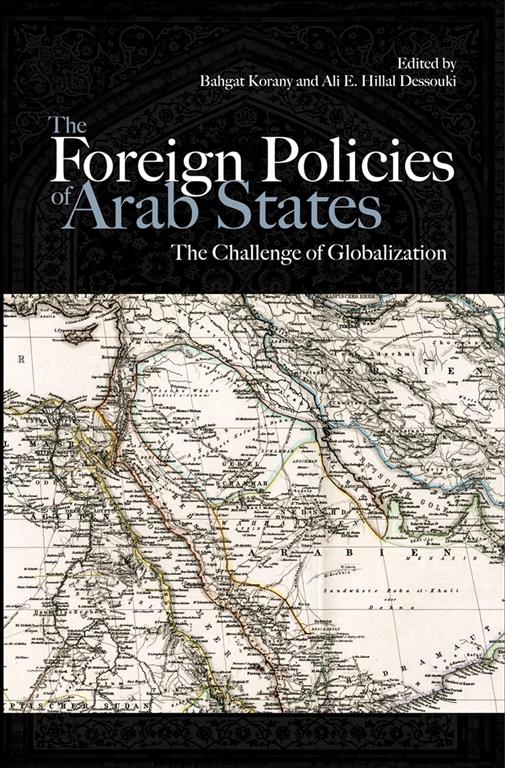


The Foreign Policies of Arab States: The Challenge of Global
EGP250.00
Out of stock
The Foreign Policies of Arab States: The Challenge of Global
The Foreign Policies of Arab States: The Challenge of Global Book Description
Readers will find The Foreign Policies of Arab States: The Challenge of Global an insightful look at how Arab nations navigate today’s complex international landscape. This English‑language title, available at Kalimat Bookstore Online, blends clear analysis with real‑world examples. The book helps readers explore diplomatic strategies, economic ties, and security concerns that shape regional and global affairs. Because the author writes in an accessible style, both students and casual readers can enjoy a compelling reading experience.
Inside each chapter, the author examines key moments that defined modern Arab foreign policy. From the aftermath of the Cold War to recent peace initiatives, the narrative highlights how states balance national interests with global pressures. Meanwhile, the book offers comparative tables that make intricate data easy to digest. Additionally, vivid case studies illustrate how cultural diplomacy and energy politics intersect, giving readers a well‑rounded view of the subject.
Fans of political science will appreciate the clear structure and logical flow. Throughout the text, the author uses plain language to explain concepts such as soft power, multilateralism, and regional blocs. Moreover, each section ends with discussion questions that encourage deeper reflection. This feature makes the book valuable for classroom use or personal study, as it prompts readers to think critically about the material.
Key Features of The Foreign Policies of Arab States: The Challenge of Global
Readers can enjoy several unique features that set this book apart. First, the author provides a timeline of major diplomatic events, allowing quick reference to pivotal moments. Second, maps and infographics break down complex alliances, helping visual learners grasp the shifting balance of power. Furthermore, the book includes interviews with diplomats and scholars, offering insider perspectives that enrich the analysis.
Additionally, the writing style remains engaging without sacrificing depth. The author avoids jargon, choosing simple terms that explain how trade agreements, security pacts, and cultural exchanges influence policy. Because each chapter builds on the previous one, readers can follow the evolution of Arab foreign policy from the 1950s to the present day. Also, a comprehensive bibliography guides those who wish to explore the topic further.
Why Read This Book?
Many readers seek a clear, up‑to‑date guide on Middle Eastern diplomacy. This book delivers exactly that by combining scholarly insight with readable prose. It helps you uncover the motivations behind state actions and understand the global repercussions of regional decisions. Therefore, anyone interested in international relations, history, or current events will find it both informative and enjoyable.
The author’s balanced approach ensures that no single viewpoint dominates the narrative. As a result, the book presents a nuanced picture that respects diverse perspectives. Moreover, the practical case studies enable readers to apply concepts to real‑world scenarios, making the content relevant beyond the classroom. Consequently, purchasing this title adds a valuable resource to any personal or academic library.
About This Book
For more details about the author and the book’s contents, visit the Best English Books Online section on Kalimat Bookstore. This page offers additional information and related titles that complement your reading list. Enjoy a rewarding exploration of Arab foreign policies and their global impact with this essential guide.
| Author |
|---|
Only logged in customers who have purchased this product may leave a review.
Product Related

Out of stock
EGP585.00

Out of stock
EGP455.00

Out of stock
EGP605.00

EGP680.00
Reviews
There are no reviews yet.