

Crime and Criminal Justice in Modern Germany (Studies in German History, 16)
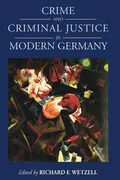


Crime and Criminal Justice in Modern Germany (Studies in German History, 16)
EGP2,823.00
Out of stock
Crime and Criminal Justice in Modern Germany (Studies in German History, 16)
Crime and Criminal Justice in Modern Germany (Studies in German History, 16) Book Description
Readers will find Crime and Criminal Justice in Modern Germany (Studies in German History, 16) a captivating exploration of Germany’s legal past. This English-language volume offers a clear and engaging look at how crime and punishment evolved from Imperial times through the Weimar Republic, the Nazi era, and the early post‑war period. The book invites you to discover the forces that shaped modern German law and society.
The story begins with a concise introductory survey that sets the stage for twelve well‑structured chapters. Each chapter dives into a major theme, such as landmark criminal trials, the rise of juvenile justice, and the push to reform penal codes, criminal procedure, and prison administration. Meanwhile, readers can see how these changes reflected broader political and social shifts.
Additionally, the author examines the growing connection between criminal justice and psychiatry, as well as social welfare policies. Furthermore, the book analyzes how crime and justice were portrayed in media and literature, revealing cultural attitudes that influenced lawmaking. Because of this interdisciplinary approach, the work shines a light on German social history, gender dynamics, and the history of sexuality.
Fans of legal history will enjoy the rich case studies that bring courtroom drama to life. Inside the pages, you will encounter vivid descriptions of trials that sparked public debate and reforms that reshaped the justice system. Moreover, the text highlights how everyday citizens experienced law enforcement and punishment, adding a human dimension to the scholarly analysis.
Throughout the volume, the author uses clear language and active narration to keep complex topics approachable. Readers can easily follow the chronological flow while gaining insight into why certain legal reforms mattered. Therefore, the book serves both scholars and general readers who want to grasp the evolution of German criminal law without wading through dense jargon.
Key Features of Crime and Criminal Justice in Modern Germany (Studies in German History, 16)
Each of the twelve chapters focuses on a distinct period, guiding you from Imperial Germany to the early years after World War II. The structure includes introductory overviews, in‑depth case studies, and concluding reflections that tie each era to larger historical currents. Additionally, the book contains illustrations, timelines, and primary source excerpts that enrich the reading experience.
The volume also explores the interplay between law and other social fields. It shows how psychiatric theories influenced sentencing, how welfare reforms affected prison conditions, and how literary depictions of crime shaped public opinion. Moreover, gender and sexuality perspectives reveal how the justice system treated different groups, offering a nuanced view of fairness and bias.
Why Read This Book?
Readers will gain a comprehensive understanding of German criminal justice that extends beyond the courtroom. This book helps you appreciate how law reflects and directs societal values. Moreover, it offers fresh insights for anyone interested in European history, legal studies, or social change. Because the author writes with clarity and purpose, you can enjoy the material without feeling overwhelmed.
Fans of history will discover new angles on well‑known periods, while students will find a reliable reference for essays and projects. Meanwhile, professionals in law or criminology can use the book as a comparative resource to examine modern justice systems. Therefore, purchasing this title adds a valuable perspective to any personal or academic library.
About This Book
More detail about this book and its author can be found on Goodreads. Also discover the best English books online in our store through this link.
Only logged in customers who have purchased this product may leave a review.
Product Related

EGP6,000.00

Out of stock

Out of stock
EGP630.00
Out of stock
EGP1,040.00
Reviews
There are no reviews yet.