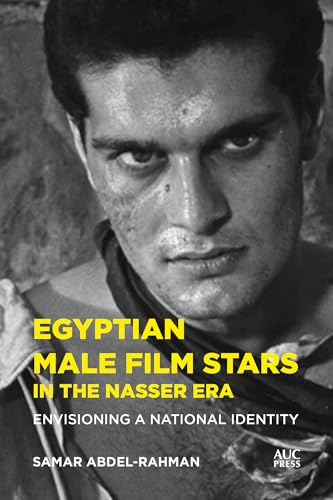
Egyptian Male Film Stars in the Nasser Era: Envisioning a National Identity
by Samar Abdel-Rahman
Introduction
Samar Abdel-Rahman explores how Egyptian cinema helped shape national identity during the Nasser era (1952–1970). She shows that male film stars were not just entertainers. They became symbols of social values and political ideas. Their roles reflected a society going through major change.
Cinema and National Identity
During this period, the government played a strong role in film production. It supported stories that promoted unity, progress, and loyalty to the nation. Filmmakers created characters who showed courage, discipline, and responsibility. These traits matched the ideals of the state. As a result, cinema became a powerful cultural tool.
Icons of Masculinity
Abdel-Rahman highlights several major stars. Each actor represented a different image of the Egyptian man.
Omar Sharif often played the modern and educated figure. His roles showed confidence and openness to the world. Abdel Halim Hafez brought emotion and sincerity to his characters. He connected deeply with young audiences and expressed strong patriotic feelings.
Farid Shawqi stood for the working-class hero. He played characters who fought injustice and defended the weak. His roles made him محبوب among everyday الناس. Salah Zulfikar, in contrast, showed discipline and honor. He often played officers or professionals who served society with integrity.
Politics and Film
The state influenced cinema more directly after nationalization in the 1960s. Directors and writers focused on stories that supported national goals. They highlighted sacrifice, social justice, and unity. Male stars carried these messages through their performances. They helped audiences connect with the idea of a shared Egyptian identity.
Tradition and Modernity
Abdel-Rahman also explains how films balanced old and new values. Stories encouraged education and progress, but they still respected cultural traditions. This balance made the message more acceptable to a wide audience.
Conclusion
This book shows how cinema shaped public ideas about masculinity and nationalism. Male film stars played a key role in this process. They influenced how الناس saw themselves and their country. Abdel-Rahman’s work offers clear insight into the link between film, identity, and politics in modern Egypt.