

The Frontier Complex: Geopolitics and the Making of the India-China Border, 1846–1962
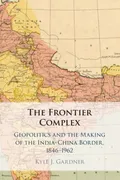
The Frontier Complex: Geopolitics and the Making of the India-China Border, 1846–1962
EGP4,947.00
Out of stock
The Frontier Complex: Geopolitics and the Making of the India-China Border, 1846–1962
The Frontier Complex: Geopolitics and the Making of the India-China Border, 1846–1962 Book Description
Readers will discover a vivid portrait of Ladakh’s shift from a bustling Himalayan trade hub to a contested frontier. In this engaging English title, author Kyle J. Gardner draws on rare British, Indian, Ladakhi, and Kashmiri archives to tell a story that spans more than a century. The narrative shows how colonial map‑makers turned geography into a science of power, setting the stage for the modern India‑China border. Because of this deep research, the book offers both a fresh look at the rise of geopolitics and the first full account of Ladakh’s encounter with the British Empire.
Meanwhile, Gardner explains how imperial border‑making practices reshaped ideas of territory. He reveals that a network of frontier experts created principles that guided the empire and later influenced independent India. The analysis also uncovers how the colonial state was changed by these new concepts of land control. Therefore, readers can see the two‑way influence between policy and geography, making the work relevant for history lovers and policy enthusiasts alike.
Fans of geopolitical history will enjoy the clear, narrative style that avoids dense academic jargon. Throughout the book, the author uses vivid anecdotes to illustrate complex diplomatic negotiations. Additionally, each chapter ends with concise summaries that help readers retain key points. Moreover, the book’s visual maps and footnotes provide extra depth without overwhelming the reader.
Key Features of The Frontier Complex: Geopolitics and the Making of the India-China Border, 1846–1962
The book is built on previously unseen archival material, giving it a unique edge over other titles. It combines political analysis with on‑the‑ground stories of local traders, soldiers, and diplomats. Also included are reproduced historical maps that trace the shifting line between the two nations. Because of these features, the reader gains a layered understanding of how borders are more than lines on a map—they are living, contested spaces.
Another strength lies in Gardner’s ability to connect past events to current tensions in the Himalayas. He shows that the failures of 19th‑century border commissions still echo today. Therefore, the book serves as both a historical account and a lens for interpreting contemporary geopolitics. Readers will leave with a clearer picture of why the legacy of the British border‑making continues to shape regional politics.
Why Read This Book?
Readers can explore a compelling blend of narrative history and geopolitical insight. The story highlights how a century of British attempts to draw a clear line ultimately fell short, leaving a legacy of dispute. Moreover, the book’s accessible tone makes complex topics easy to follow. Fans of border studies, South Asian history, or international relations will find the work both informative and thought‑provoking. Additionally, the rich archival evidence offers a fresh perspective that academic texts often lack.
Ultimately, this title invites readers to reflect on how borders are created, contested, and lived with. Because Gardner ties past decisions to modern realities, the book feels relevant in today’s news‑driven world. It is an essential addition to any personal library that values deep, well‑researched, and engaging history.
About This Book
More detail about this book and its author can be found on Goodreads. Also, discover the best English books online in our store through this link.
Only logged in customers who have purchased this product may leave a review.
Product Related


Out of stock
EGP1,000.00
Reviews
There are no reviews yet.