

Chasing the Great Retreat: The German Cavalry Pursuit of the British Expeditionary Force Before the Battle of the Marne August 1914
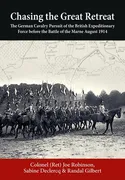


Chasing the Great Retreat: The German Cavalry Pursuit of the British Expeditionary Force Before the Battle of the Marne August 1914
EGP3,847.00
Chasing the Great Retreat: The German Cavalry Pursuit of the British Expeditionary Force Before the Battle of the Marne August 1914
Chasing the Great Retreat: The German Cavalry Pursuit of the British Expeditionary Force Before the Battle of the Marne August 1914 Book Description
Readers will discover a fresh perspective on the opening weeks of World War I in Chasing the Great Retreat: The German Cavalry Pursuit of the British Expeditionary Force Before the Battle of the Marne August 1914. Available at Kalimat Bookstore Online, this English‑language work builds on the award‑winning sequel to German Failure in Belgium, August 1914. It examines why the war did not end on 23 August 1914, despite the “fog and friction of war” described by Clausewitz, and reveals how German cavalry actions shaped the outcome.
Meanwhile, the author highlights missed opportunities on both sides of the front. The narrative cuts through British propaganda that glorifies the Battle of Mons and instead shows how the BEF’s retreat offered Germany a critical, yet unrealized, advantage. Fans of military history will enjoy a story that challenges long‑held myths and brings overlooked cavalry operations to light.
Key Features of Chasing the Great Retreat
Throughout the book, readers can explore the role of the Höherer Kavallerie‑Kommandeur (HKK 1 and HKK 2) – ad‑hoc cavalry commands that had never been tested before the war. The author explains why these formations are often misidentified as a cavalry corps, and clarifies their unique operational purpose. Additionally, the text compares German and British accounts, exposing how both traditions have downplayed cavalry mobility.
Furthermore, the work details the composition of the German Right Wing, including the First and Second Armies. By focusing on these units, the book reveals how the cavalry’s speed could have devastated the BEF and the French left flank. Moreover, it provides clear maps and primary source excerpts that help readers visualize the fast‑moving maneuvers.
Why Read This Book?
Readers will learn why the Battle of Mons was a British loss, contrary to popular belief. The author shows how a single missed chance on 23 August could have altered the entire Western Front. Because the cavalry’s role is rarely covered in official histories, this book fills a crucial gap for scholars and enthusiasts alike. Also, the writing is concise and engaging, making complex strategy accessible to a broad audience.
Meanwhile, the narrative balances scholarly research with compelling storytelling. Fans of World War I will enjoy the uncovering of myths, the examination of Clausewitz’s concepts, and the vivid description of battlefield decisions. Therefore, the book offers both educational value and an exciting reading experience.
About This Book
More detail about this book and its author can be found on Goodreads. Also discover the best English books online in our store through this link.
Be the first to review “Chasing the Great Retreat: The German Cavalry Pursuit of the British Expeditionary Force Before the Battle of the Marne August 1914”
Product Related

Out of stock
EGP1,850.00

Out of stock
EGP850.00

Out of stock
EGP680.00

EGP780.00
Reviews
There are no reviews yet.