

Imperial Zions: Religion, Race, and Family in the American West and the Pacific (Studies in Pacific Worlds)
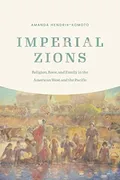

Imperial Zions: Religion, Race, and Family in the American West and the Pacific (Studies in Pacific Worlds)
EGP8,836.00
Imperial Zions: Religion, Race, and Family in the American West and the Pacific (Studies in Pacific Worlds)
Imperial Zions: Religion, Race, and Family in the American West and the Pacific Book Description
Imperial Zions: Religion, Race, and Family in the American West and the Pacific invites readers to explore a hidden chapter of American history. Set in the nineteenth century, the book shows how white Americans measured women’s virtue against imagined exoticism. Meanwhile, the Latter‑day Saint practice of polygamy broke that simple divide, drawing white women into a marriage system many linked to Calcutta streets or Turkish palaces. At the same time, these believers took part in the broader wave of settler colonialism that reshaped the West.
After being forced out of Ohio, Missouri, and Illinois, Latter‑day Saints moved west and seized lands belonging to Ute and Shoshone peoples. Their goal was to build a promised “American Zion.” Outside the continent, missionaries spread the same gospel in the Pacific Islands, reinforcing U.S. expansion and creating new cultural mixes. The author, Amanda Hendrix‑Komoto, follows these missionaries as they travel through imperial spaces, examining how Native Americans and Native Hawaiians became part of white Latter‑day Saint families.
Key Features of Imperial Zions
Readers will discover how the body becomes a theological tool in the book. The narrative explains how Latter‑day Saint leaders used ideas of purity and civilization to justify both polygamy and the transformation of Indigenous households. Furthermore, the text connects religious doctrine with American ideas about race, sexuality, and colonial power. Meanwhile, the author provides vivid case studies that show personal stories of conversion, resistance, and cultural blending. Additionally, the work situates these histories within the larger Pacific Worlds series, offering a comparative lens that expands beyond the U.S. frontier.
Fans of cultural history will enjoy the clear, evidence‑rich storytelling. Each chapter blends archival research with accessible prose, allowing readers to learn without feeling overwhelmed. Moreover, the book highlights how gender roles shifted when Indigenous women entered white Latter‑day Saint families. Because the author balances scholarly insight with engaging narrative, the reading experience feels both informative and compelling.
Why Read This Book?
Many readers seek a deeper understanding of how religion shaped American expansion. Imperial Zions delivers that insight by linking faith, race, and family in a single, readable volume. The book also helps uncover the hidden impact of missionary work on Pacific Island societies, making it valuable for anyone interested in global history. Additionally, the text challenges common myths about the West by showing how colonial power operated through intimate, everyday relationships.
Readers can apply the book’s lessons to modern discussions about cultural identity and religious influence. The author’s clear analysis encourages critical thinking about past injustices and their lingering effects today. Therefore, this book serves both as a scholarly resource and a thought‑provoking read for general audiences.
About This Book
Imperial Zions: Religion, Race, and Family in the American West and the Pacific offers a fresh perspective on a complex era. It combines rigorous research with a narrative style that keeps readers engaged from start to finish. For more details about the book and its author, visit this Goodreads link. You can also explore other top English titles in our store through this Kalimat Bookstore link.
Be the first to review “Imperial Zions: Religion, Race, and Family in the American West and the Pacific (Studies in Pacific Worlds)”
Product Related

EGP1,050.00

Out of stock

Out of stock
EGP360.00

EGP215.00
Reviews
There are no reviews yet.