

Planetary Longings (Dissident Acts)
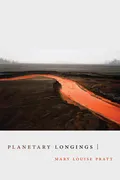

Planetary Longings (Dissident Acts)
Planetary Longings (Dissident Acts) Book Description
Planetary Longings (Dissident Acts) offers a vivid exploration of how the world changed at the turn of the millennium. Mary Louise Pratt argues that the late‑1990s and early 2000s created a decisive shift in human and planetary conditions. She examines modernity, neoliberalism, coloniality, and indigeneity before and after the year 2000. Readers will discover how this shift sparked a crisis of futurity linked to ecological disaster. The book shows how new ways of thinking emerged in response to an uncertain future.
Throughout the narrative, Pratt turns to 1990s Latin American vernacular culture, literary fiction, and social movements. These sources recorded the harsh impacts of neoliberal policies while also searching for alternative ways of knowing. Fans of cultural theory will enjoy the rich examples from music, art, and protest literature. Moreover, the author highlights how these movements imagined different possibilities for living and belonging.
Meanwhile, the work traces colonialism’s long shadow across the Americas. Pratt maps the history of anticolonial struggles and Indigenous mobilizations. She treats indigeneity as both a signal of colonial exploitation and a well‑spring of fresh ideas. The story reveals how Indigenous knowledge challenges extractive economies and offers sustainable alternatives. Therefore, the book positions Indigenous perspectives at the heart of planetary redesign.
Additionally, the author explains how the millennium turn accelerated new forms of world‑making. Readers can see how scholars, activists, and artists create fresh knowledge in the face of climate crises. The text argues that these creative responses matter for shaping a livable future. Consequently, the book provides both critical analysis and hopeful imagination for readers seeking change.
Key Features of Planetary Longings (Dissident Acts)
Each chapter blends theory with vivid cultural examples. The book mixes academic insight with stories from grassroots movements, making complex ideas accessible. It also includes a wide range of voices, from Indigenous leaders to Latin American novelists. Furthermore, Pratt’s clear style invites readers without a specialised background to engage with pressing global issues. The structure guides the audience from historical context to contemporary activism, encouraging active reflection.
Readers will appreciate the interdisciplinary approach that connects politics, ecology, and art. The work also offers concrete case studies that illustrate how communities resist neoliberal extraction. Moreover, the author provides a roadmap for future research and activism. This makes the book a useful resource for students, teachers, and anyone interested in planetary justice.
Why Read This Book?
Fans of cultural studies will find a fresh perspective on the millennial transition. The book helps readers understand why the early twenty‑first century feels both precarious and full of possibility. It also highlights how Indigenous knowledge can inspire new environmental solutions. Therefore, the book serves as both a critical guide and an inspiring call to action. Readers can use these insights to support local and global movements for a more equitable world.
Moreover, the engaging prose invites repeated reading. Each section offers new details that reward careful study. The combination of theory and real‑world examples makes the book both informative and compelling. As a result, readers leave with a deeper appreciation of how cultural forces shape planetary futures.
About This Book
For more detail about this book and its author, visit the Goodreads page. Explore additional English titles in our store through the Best English Books Online collection.
Be the first to review “Planetary Longings (Dissident Acts)”
Product Related

EGP1,050.00

Out of stock

Out of stock
EGP360.00

EGP215.00
Reviews
There are no reviews yet.