

The Rebel by Albert Camus: Meaning, Themes, and Philosophy
Introduction to The Rebel
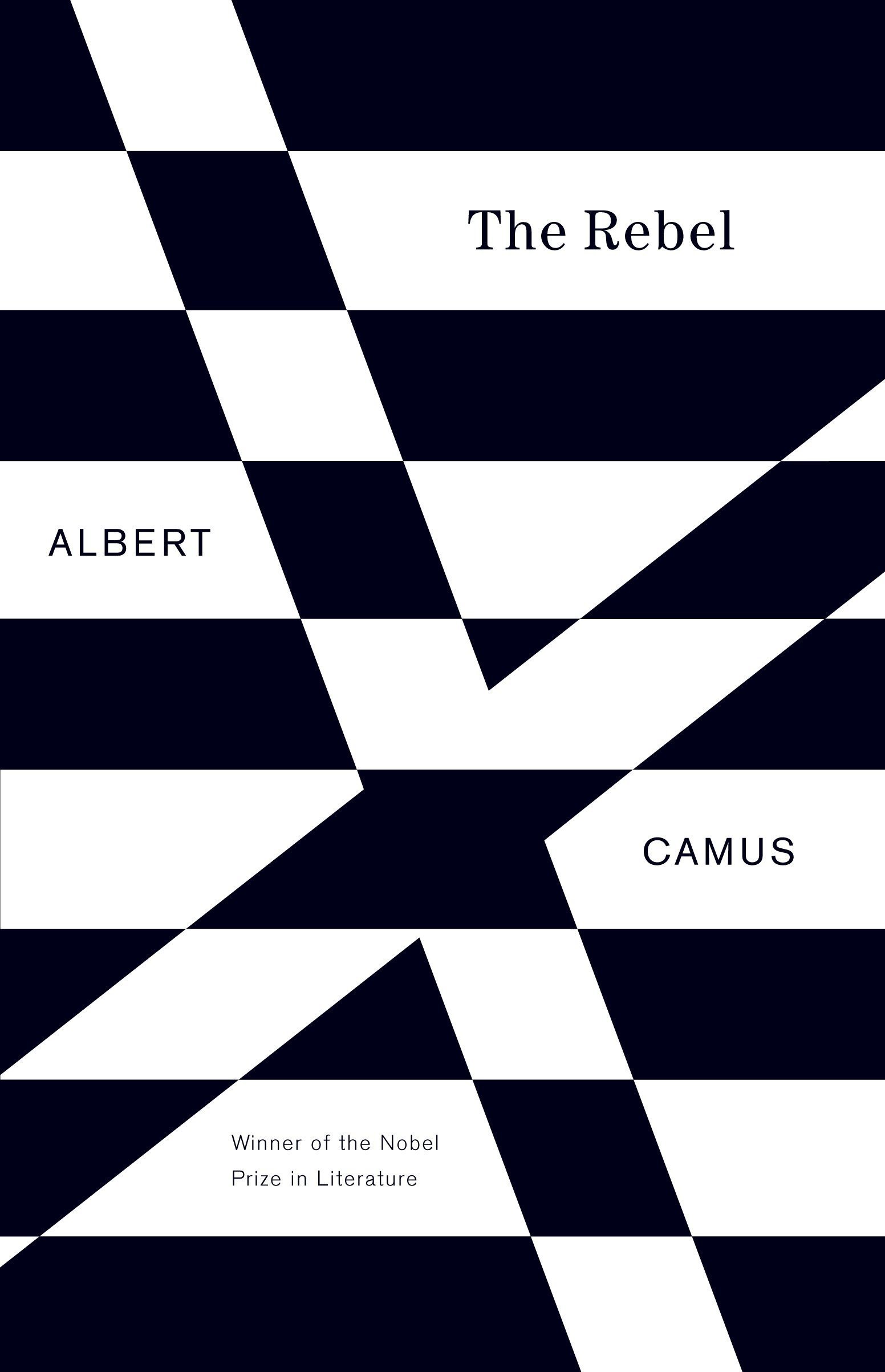
The Rebel by Albert Camus is an important philosophical book that explores rebellion, freedom, justice, and human nature. First published in 1951, the book examines why people rebel against authority and how revolutions can sometimes lead to violence and oppression. Camus wrote the book after World War II, during a time of political conflict and social change in Europe.
Unlike a novel, The Rebel is a philosophical essay. Camus studies history, politics, literature, and morality to explain the idea of rebellion. He argues that rebellion begins when a person says “no” to injustice or unfair treatment. At the same time, rebellion also expresses a desire for dignity, freedom, and respect.
The Meaning of Rebellion
Camus believes rebellion is a natural human response to suffering and oppression. When people feel they are treated unfairly, they resist authority and demand justice. According to Camus, rebellion is different from complete destruction or chaos. A true rebel recognizes limits and values human life.
The book explains that rebellion can become dangerous when it loses its moral boundaries. Camus criticizes political systems and revolutions that justify violence in the name of ideology. He argues that some revolutionary movements began with hopes for freedom but later created fear and dictatorship.
Political and Philosophical Ideas
One of the main themes in The Rebel is the conflict between freedom and power. Camus examines historical revolutions, including the French and Russian Revolutions, to show how political ideals can become corrupted. He warns against extremist thinking and absolute power.
Camus also discusses nihilism, which is the belief that life has no meaning or value. He argues that rebellion should not lead to hopelessness or destruction. Instead, people should search for meaning while respecting human dignity and moral responsibility.
The book reflects Camus’s broader philosophy of absurdism. He believed human beings search for meaning in a world that often seems uncertain and indifferent. Even so, Camus encouraged people to continue living with courage, honesty, and compassion.
Why The Rebel Still Matters
The Rebel remains relevant because it raises timeless questions about justice, morality, and political violence. Readers continue to study the book for its insights into revolution, ethics, and human freedom. Although the ideas can be challenging, Camus presents powerful arguments about the dangers of fanaticism and the importance of moral limits.
Today, the book is widely read in philosophy, politics, and literature courses. Many readers appreciate Camus’s thoughtful examination of rebellion and his defense of human dignity. The Rebel continues to influence discussions about freedom, resistance, and the responsibility that comes with political action.