

A Scholar for our Times: A Celebration of the Life and Work of Shahrokh Meskoob
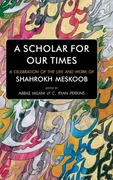


A Scholar for our Times: A Celebration of the Life and Work of Shahrokh Meskoob
EGP4,683.00
A Scholar for our Times: A Celebration of the Life and Work of Shahrokh Meskoob
A Scholar for our Times: A Celebration of the Life and Work of Shahrokh Meskoob Book Description
Readers will find A Scholar for our Times: A Celebration of the Life and Work of Shahrokh Meskoob an engaging English volume that brings the story of a remarkable Iranian intellectual to life. Born in Babol on the Caspian coast in 1924, Shahrokh Meskoob became a leading literary critic, historian, and thinker until his death in Paris in 2005. The book offers a compelling reading experience by combining scholarly essays with rare facsimiles of his personal papers, now preserved at Stanford University. Because of its clear language and thoughtful structure, the work appeals to both academics and general readers who love cultural history.
Throughout the collection, eight prominent Iranian scholars explore Meskoob’s contributions to Persian literature and national identity. They examine his analyses of the Shahnameh and Hafez, as well as his influential text *Iranian National Identity and the Persian Language*. Moreover, the essays reveal how Meskoob linked cultural heritage with modernity, arguing that true progress in Iran rests on a deep understanding of its own artistic traditions. Meanwhile, personal recollections and letters illustrate his courage during imprisonment in the 1950s and his exile after the 1979 Islamic Revolution.
Key Features of A Scholar for our Times
Fans of literary criticism will enjoy the diverse range of topics covered. Inside the book, readers can explore “Building an Archive: Stanford Libraries and the Papers of Shahrokh Meskoob,” which explains how his documents were collected and digitized. Additionally, the volume includes essays such as “Shahrokh Meskoob and the Question of Iranian Cultural Identity” and “Meskoob’s Reading of Iranian Mythology,” offering fresh insights into his thought. The inclusion of facsimile pages allows readers to see Meskoob’s own handwriting, providing a tangible connection to his scholarly process.
Meanwhile, the “Story Highlights” section presents shorter pieces that add personal depth. Essays like “Sixty‑Three Years of Friendship” by Hassan Kamshad and “The Final Question” by Ahmad Meskoob share intimate anecdotes that humanize the scholar. Furthermore, contributions from Abbas Milani and Bahram Beyzaie discuss Meskoob’s modernist ideas and his impact on contemporary Iranian studies. These varied perspectives make the book a rich, multidimensional portrait.
Why Read This Book?
Readers will discover why Meskoob matters today. The book shows how his belief that national identity equals cultural identity still resonates in debates over language, heritage, and globalization. Moreover, the essays illustrate how his work bridges past and present, encouraging modern Iranians to draw strength from their literary legacy. Because the text is written in clear, accessible English, it serves as an ideal introduction for those new to Persian studies and a valuable resource for scholars seeking deeper analysis.
Additionally, the volume’s thoughtful organization helps readers navigate complex ideas without feeling overwhelmed. Each chapter stands alone, allowing you to jump to topics that interest you most. Therefore, whether you are a student, a teacher, or simply a lover of world literature, this book offers both scholarly rigor and an enjoyable reading journey.
About This Book
More detail about this book and its author can be found on Goodreads. Also discover the best English books online in our store through this Kalimat Bookstore link.
Be the first to review “A Scholar for our Times: A Celebration of the Life and Work of Shahrokh Meskoob”
Product Related
Out of stock
EGP1,850.00

Out of stock
EGP850.00

Out of stock
EGP680.00
EGP780.00
Reviews
There are no reviews yet.