

Surviving Repression: The Egyptian Muslim Brotherhood After the 2013 Coup (Identities and Geopolitics in the Middle East)
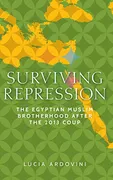

Surviving Repression: The Egyptian Muslim Brotherhood After the 2013 Coup (Identities and Geopolitics in the Middle East)
Surviving Repression: The Egyptian Muslim Brotherhood After the 2013 Coup (Identities and Geopolitics in the Middle East)
Surviving Repression: The Egyptian Muslim Brotherhood After the 2013 Coup (Identities and Geopolitics in the Middle East) Book Description
Inside this compelling narrative, readers discover the turbulent journey of the Egyptian Muslim Brotherhood after the 2013 coup. The book maps the rise, fall, and fierce struggle for survival of a movement that once dominated Egyptian politics. By weaving personal accounts with rigorous research, it offers a rare window into how political exile reshapes an organization.
Readers will learn how the Brotherhood’s legal recognition in 2011 paved the way for rapid ascent. Yet the 2013 removal from office unleashed a wave of repression that shook the group’s foundations. Forced into exile, members faced a daunting task: rebuild a shattered network amid uncertainty.
In this era of exile, internal debates spike. Strategists argue over resistance tactics, while leaders grapple with identity. The book captures these tensions through interviews with both current and former members. By presenting their voices, it gives readers an emotional truth beyond headlines.
Moreover, the narrative is grounded in fieldwork. Documented conversations, letters, and archival material enrich the story. Readers can see how individual emotions shape collective action. Thus, the book becomes more than history; it is a living illustration of resilience.
Additionally, it examines the broader geopolitical context. External pressures from regional actors influence the Brotherhood’s choices. This multidimensional approach helps readers grasp the complex interplay between ideology, strategy, and politics.
Key Features of Surviving Repression
Fans of political history will find richly detailed timelines that trace key events from 2011 to the present. The book’s structure follows a clear, chronological path, making it easy to follow the Brotherhood’s evolution.
Each chapter opens with a brief overview, followed by in‑depth interviews. These two layers combine to provide both factual clarity and vivid storytelling. The result is a balanced, engaging read that appeals to scholars and general audiences alike.
The author’s meticulous research is evident. Sources range from government documents to personal diaries. This diversity ensures a comprehensive view of the Brotherhood’s inner workings.
Ultimately, the book highlights the resilience that defines the Brotherhood. Even under severe persecution, members continue to adapt and survive, offering lessons in perseverance for readers worldwide.
Why Read This Book?
Readers will gain a nuanced understanding of one of the Middle East’s most influential movements. By witnessing firsthand how repression shapes strategies, they can better appreciate the complexities of political dissent.
Moreover, the book provides tools to analyze contemporary political conflicts. The Brotherhood’s experience serves as a case study for how external shocks can destabilize organizations and how insiders respond.
For students of international relations, the narrative offers a practical example of identity politics in action. It shows how cultural, religious, and political identities intertwine during crises.
Finally, the engaging style ensures that even those unfamiliar with Egyptian politics will find the story accessible and compelling. The book invites reflection on the universal themes of hope, loss, and determination.
About This Book
More detail about this book and author can be found on Goodreads. Discover the best English books online in our store through this link.
Only logged in customers who have purchased this product may leave a review.
Product Related

Out of stock

Out of stock

Out of stock

Out of stock
EGP290.00
Reviews
There are no reviews yet.