

The Myth Of Sisyphus

The Myth Of Sisyphus
EGP880.00
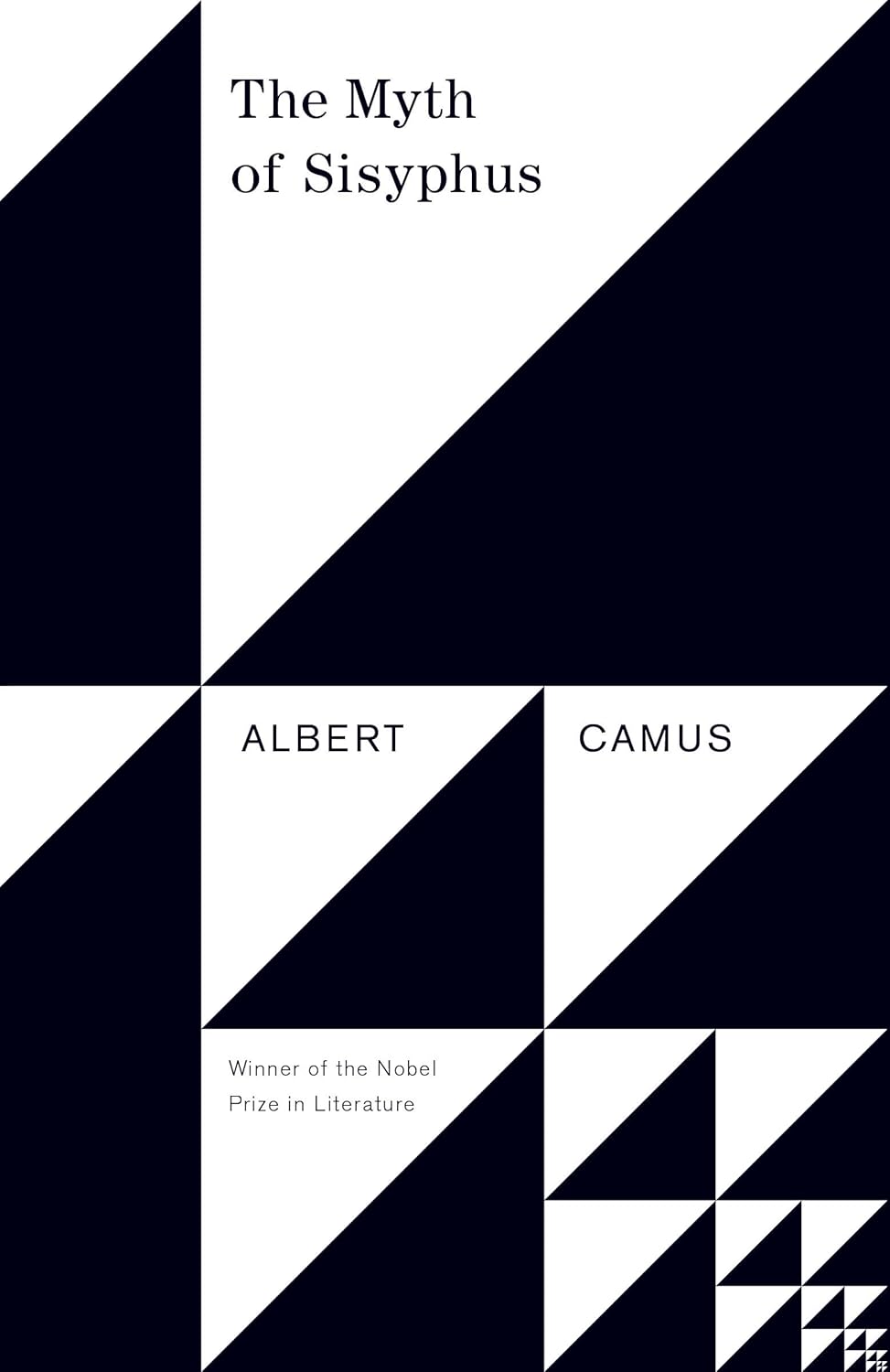
The Myth of Sisyphus
An Exploration of Meaning and Human Existence
The Myth of Sisyphus by Albert Camus is one of the most influential philosophical works of the twentieth century. First published in 1942, the book examines the human search for meaning in a world that often appears indifferent and without clear purpose. Camus uses the ancient Greek myth of Sisyphus as a symbol of the human condition and explores how people respond to the challenges of existence.
At the center of the book is the idea of the “absurd.” Camus describes the absurd as the conflict between humanity’s desire for meaning and the silence of the universe. People naturally seek answers, order, and purpose, yet life often provides uncertainty instead. This tension creates feelings of confusion, frustration, and emotional struggle.
The Story of Sisyphus
In Greek mythology, Sisyphus is punished by the gods for his actions and condemned to roll a massive rock up a mountain for eternity. Each time he reaches the top, the rock falls back down, forcing him to begin again. Camus sees this endless task as a reflection of human life. Many people repeat routines, face disappointments, and struggle with challenges that may seem endless or meaningless.
However, Camus does not present this story as purely tragic. Instead, he argues that people can still find value and freedom even in difficult circumstances. His famous conclusion suggests that “one must imagine Sisyphus happy.” This idea encourages readers to confront life honestly while continuing to live with courage and awareness.
Isbn:9780525564454
More detail about this book and author can check this link also Discover the Best English Books Online in our store through this link
15 in stock
The Myth of Sisyphus
An Exploration of Meaning and Human Existence
The Myth of Sisyphus by Albert Camus is one of the most influential philosophical works of the twentieth century. First published in 1942, the book examines the human search for meaning in a world that often appears indifferent and without clear purpose. Camus uses the ancient Greek myth of Sisyphus as a symbol of the human condition and explores how people respond to the challenges of existence.
At the center of the book is the idea of the “absurd.” Camus describes the absurd as the conflict between humanity’s desire for meaning and the silence of the universe. People naturally seek answers, order, and purpose, yet life often provides uncertainty instead. This tension creates feelings of confusion, frustration, and emotional struggle.
The Story of Sisyphus
In Greek mythology, Sisyphus is punished by the gods for his actions and condemned to roll a massive rock up a mountain for eternity. Each time he reaches the top, the rock falls back down, forcing him to begin again. Camus sees this endless task as a reflection of human life. Many people repeat routines, face disappointments, and struggle with challenges that may seem endless or meaningless.
However, Camus does not present this story as purely tragic. Instead, he argues that people can still find value and freedom even in difficult circumstances. His famous conclusion suggests that “one must imagine Sisyphus happy.” This idea encourages readers to confront life honestly while continuing to live with courage and awareness.
Themes of Freedom and Resistance
One of the major themes in The Myth of Sisyphus is personal freedom. Camus argues that once people accept the absurd nature of existence, they can stop searching for absolute answers and begin living more fully in the present moment.
The book also emphasizes resistance and perseverance. Rather than surrendering to despair, Camus encourages people to continue moving forward despite uncertainty. This message has connected with readers for generations because it speaks to universal experiences of struggle, doubt, and resilience.
Lasting Influence and Importance
The Myth of Sisyphus remains an important work in philosophy and literature. It continues to influence discussions about existentialism, meaning, and modern life. Readers often turn to the book during periods of personal reflection because it raises important questions about purpose, happiness, and the human experience.
Beyond philosophy, the book has had a lasting impact on art, literature, psychology, and culture. Its themes continue to appear in novels, films, and discussions about mental and emotional resilience.
Why Readers Continue to Connect With the Book
Readers appreciate The Myth of Sisyphus because it combines philosophical depth with emotional honesty. Camus does not offer simple answers or easy comfort. Instead, he encourages people to face life directly and create meaning through their own choices and actions.
The book’s message remains relevant today because many people continue to struggle with uncertainty, routine, and the search for purpose. Through the story of Sisyphus, Camus presents a powerful reflection on what it means to live with awareness, dignity, and persistence in an unpredictable world.
Isbn:9780525564454
More detail about this book and author can check this link also Discover the Best English Books Online in our store through this link
| Author |
|---|
Product Related

Out of stock
EGP800.00
Out of stock

Out of stock